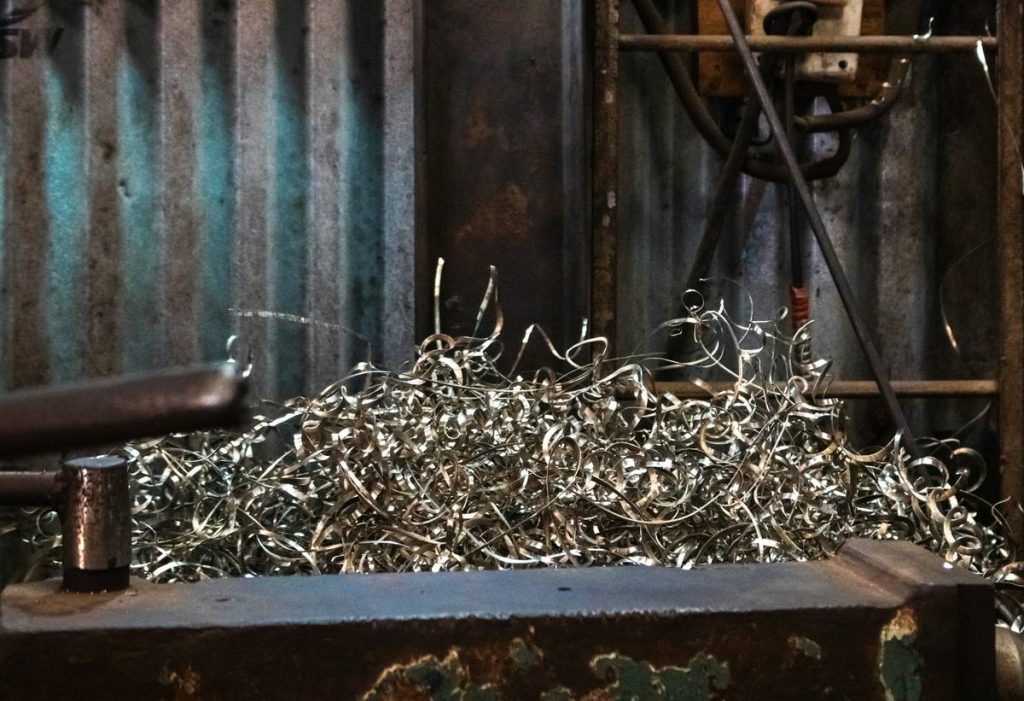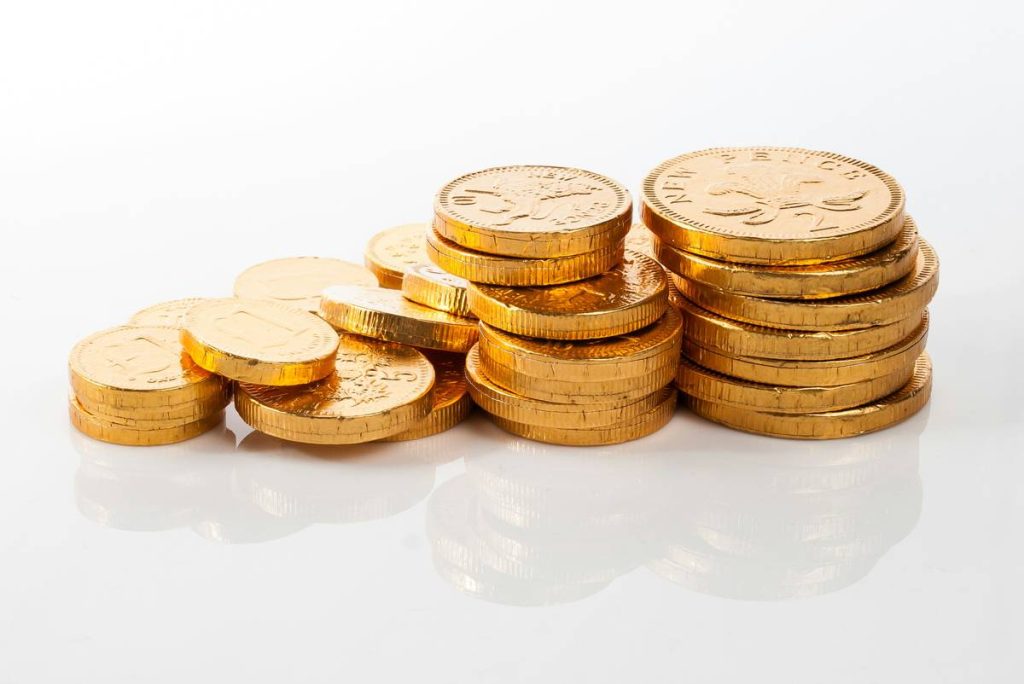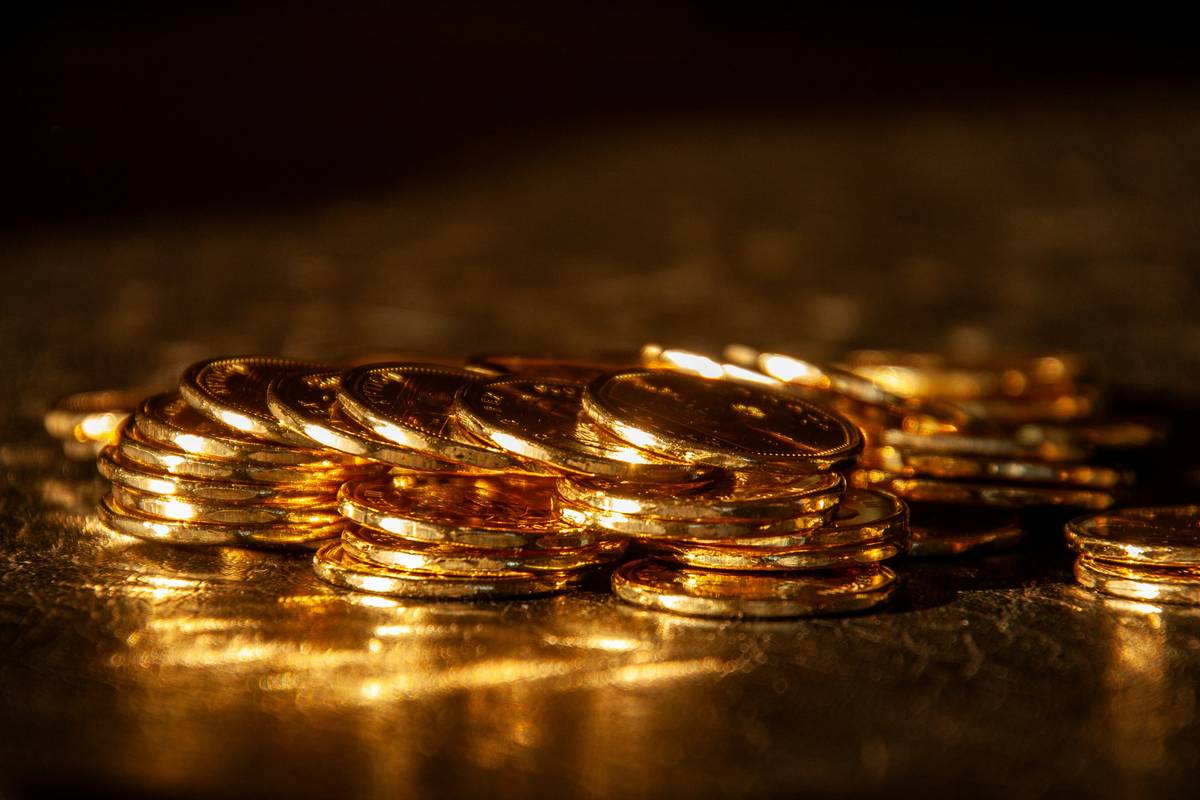
Ever dug through your junk drawer and found that broken chain from 2007, your great-aunt’s mismatched earrings, or that “costume” ring that weirdly passed the magnet test? Yeah—me too. And guess what? That clutter might be worth hundreds (or even thousands) of dollars. Yet most people either hoard it “just in case” or sell it for pennies on the dollar because they don’t know selling scrap gold how to start.
In this guide, you’ll learn exactly how to identify, sort, and sell your scrap gold like a pro—not a pawn shop dupe. We’ll walk through testing methods, pricing pitfalls, reputable buyers, and real mistakes I’ve made (yes, including the time I almost sold 18k as 10k… yikes). Whether you’re clearing out an estate, downsizing jewelry, or just monetizing metal clutter, this is your roadmap.
Table of Contents
- Why Bother Selling Scrap Gold?
- How to Start Selling Scrap Gold: A Step-by-Step Guide
- 6 Best Practices That Actually Protect Your Profit
- Real Case Study: From Junk Drawer to $1,342 in 10 Days
- FAQs About Selling Scrap Gold
Key Takeaways
- Scrap gold includes broken, outdated, or unused gold items—even dental crowns or electronic components.
- Karat purity (10k, 14k, 18k, etc.) directly impacts value—testing is non-negotiable.
- Avoid instant cash offers at pawn shops—they often pay 30–50% below spot price.
- Reputable online refiners like Hoover & Strong or local certified dealers offer fair market rates.
- Always get multiple quotes and understand “payout percentage” before selling.
Why Should You Even Bother Selling Scrap Gold?
Let’s be real: most of us treat old gold like emotional landfill. “It was Grandma’s,” “I might fix it someday,” or “What if gold crashes?” But here’s the kicker—gold prices hit record highs above $2,400/oz in early 2024 (World Gold Council), and even low-karat scrap retains significant melt value. Meanwhile, that tangled necklace under your bed earns zero interest and zero appreciation just sitting there.
I learned this the hard way. Two years ago, I inherited a shoebox of mixed jewelry from my late uncle—a watch band, loose stones, and several unmarked rings. I took it to the first pawn shop I saw. They paid me $90. Later, after learning proper testing, I realized it contained nearly 2 troy ounces of 14k gold—worth over $1,800 at the time. That mistake cost me coffee for a year (and dignity for longer).
Selling scrap gold isn’t about greed—it’s financial hygiene. It converts idle assets into liquid capital you can use for debt payoff, emergency funds, or reinvestment. And with inflation eating savings alive, every ounce counts.
How to Start Selling Scrap Gold: A Step-by-Step Guide
Step 1: Gather and Sort Your Gold Items
Pull everything—even “fake” pieces. Look for:
- Jewelry with worn plating (exposed base metal)
- Bent or broken chains, clasps, or settings
- Old coins, dental gold, or electronic connectors (some contain trace gold)
Pro Tip: Separate by karat if marked (e.g., “14K”, “585”, “750”). Unmarked pieces need testing.
Step 2: Test for Authenticity and Purity
Don’t trust looks alone. Use these methods:
- Magnet test: Real gold isn’t magnetic. If it sticks—toss it (or recycle separately).
- Acid test kits ($10–$25): Scratch item on stone, apply acid matching suspected karat. Color change = impurity. Accurate but slightly destructive.
- XRF gun (at dealers): Non-destructive, lab-grade analysis. Ask local jewelers if they offer this (often free).
Grumpy You: “Ugh, chemistry? Fine—but only if I get to wear safety goggles like a mad scientist.”
Optimist You: “This 3-minute test could save you hundreds!”
Step 3: Weigh Accurately in Troy Ounces
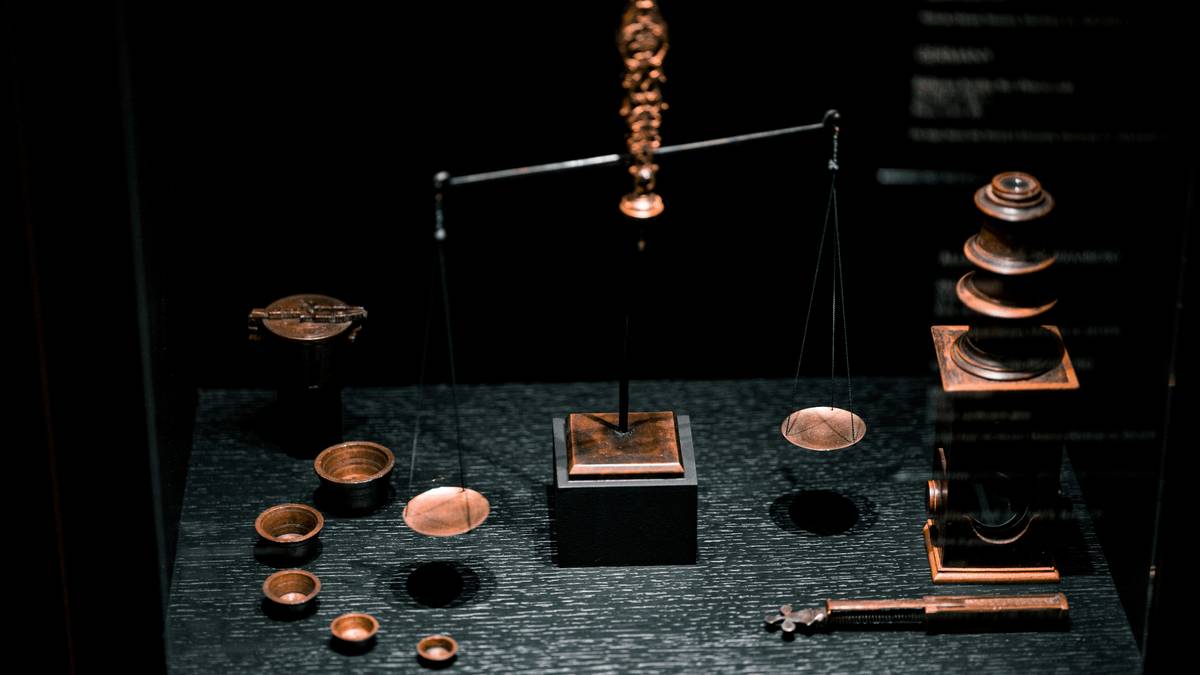
Gold uses troy ounces (31.1 grams)—not regular ounces! Use a digital scale calibrated for precious metals (available on Amazon for ~$20). Record weight per karat group.
Step 4: Calculate Estimated Value
Formula:
(Weight in grams × Purity %) ÷ 31.1 × Current Gold Spot Price × Payout %
Example: 10g of 14k gold (58.3% pure) at $2,400/oz with 80% payout:
(10 × 0.583) ÷ 31.1 × 2400 × 0.80 ≈ $360
Step 5: Choose Your Buyer Wisely
Avoid these rookie traps:
- Pawn shops: Fast cash, but lowball offers (often ≤50% spot).
- TV/mail-in “we buy gold” ads: Hidden fees, delayed payments, bait-and-switch tactics.
- Cash-for-gold kiosks: Same as pawn—designed for impulse sellers.
Instead, use:
- Certified local dealers (check BBB ratings + Google reviews)
- Reputable refiners like Hoover & Strong or Rio Grande (transparent pricing, insured shipping)
Step 6: Get Multiple Quotes & Negotiate
Email photos, weights, and karat info to 3+ buyers. Compare their “offer per gram.” Don’t accept the first bid—polite pushback often yields 5–10% more.
6 Best Practices That Actually Protect Your Profit
- Never sell without knowing the spot price. Track it daily via Kitco or BullionVault.
- Insure your shipment. If mailing, use USPS Registered Mail + declared value.
- Keep stones separate. Gemstones (even small ones) may have resale value—don’t let refiners discard them.
- Avoid “melt-only” pressure. Some buyers insist on melting instantly to prevent second-guessing—red flag!
- Document everything. Photos, weights, and written offers create paper trails if disputes arise.
- Tax note: Profits over cost basis are taxable as capital gains (consult a CPA).
Real Case Study: From Junk Drawer to $1,342 in 10 Days
Last fall, my friend Lena cleaned out her mom’s attic and found a velvet pouch labeled “broken stuff.” Inside: 3 mismatched earrings (18k), a snapped 14k bracelet, and two unmarked wedding bands. Total weight: 38.2 grams.
She tested everything using an acid kit, sorted by karat, and emailed specs to three buyers:
- Pawn Shop A: Offered $320 cash (“take it or leave it”)
- Local Dealer B: $890 after XRF confirmation
- Online Refiner C: $1,080 upfront, plus $262 for recovered diamonds
She chose the refiner, shipped insured, and received payment in 7 business days—$1,342 total. That covered her car’s transmission repair *and* a weekend getaway.
FAQs About Selling Scrap Gold
Is selling scrap gold worth it for small amounts?
Yes—if it’s genuine gold. Even 5 grams of 14k is worth ~$180 at current prices. Many refiners have no minimums.
How do I know if a gold buyer is legit?
Check for: physical address, BBB accreditation, clear payout terms, and willingness to explain their process. Avoid anyone demanding upfront fees.
Will I get paid based on karat or weight?
Both. Payment = (weight × purity) × spot price × payout %. Higher karat = higher purity = more value per gram.
Do I need to report scrap gold sales to the IRS?
If you profit (sell for more than original cost), yes—it’s a capital gain. Keep purchase receipts if possible.
What’s the worst mistake people make when selling scrap gold?
Selling untested or accepting the first offer without comparison. Also: melting gold at home (dangerous and illegal without permits in many states).
Conclusion
Selling scrap gold how to start isn’t rocket science—but it *is* a game of knowledge versus haste. By testing properly, understanding purity, weighing accurately, and choosing ethical buyers, you turn forgotten trinkets into serious cash. Skip the pawn shop impulse sell. Do the legwork, get quotes, and treat your gold like the asset it is.
Now go raid that jewelry box. Your future self—and your bank account—will thank you.
Like a Tamagotchi, your scrap gold needs attention—not neglect. Feed it smart decisions, not dusty drawers.