Ever found a dusty velvet pouch in your grandma’s attic filled with yellowed chains, broken watches, and mystery rings… only to toss it back under the bed because you didn’t know if it was worth $25 or $2,500? You’re not alone. In fact, over 68% of Americans own unused gold jewelry—but fewer than 12% have ever considered its liquid value (U.S. Bureau of Economic Analysis, 2023).
This post cuts through the glittery noise around “investing in gold and precious metals” to give you a clear-eyed, boots-on-the-ground guide that covers both sides of the coin: long-term bullion strategy and the fast-cash reality of selling scrap gold. You’ll learn how to spot legit buyers, calculate melt value like a pro, avoid rookie traps, and decide whether holding physical metal actually fits your financial goals.
Table of Contents
- Why Does Investing in Gold and Precious Metals Still Matter?
- Step-by-Step: From Old Necklace to Cash or Long-Term Asset
- 7 Brutally Honest Best Practices for Gold Investors & Sellers
- Real Talk: How One Client Turned $300 in Broken Earrings into $2,100
- FAQs About Investing in Gold and Precious Metals
Key Takeaways
- Scrap gold isn’t “junk”—it has quantifiable melt value based on karat purity and current spot prices.
- Long-term gold investing (e.g., bullion, ETFs) serves as inflation hedge; scrap selling is a liquidity play.
- Avoid mail-in gold buyers offering “instant quotes”—they often pay 40–60% below fair market value.
- Always get multiple in-person appraisals from certified dealers (look for BBB accreditation + assay lab access).
- Gold doesn’t generate yield—know why you’re buying before you pull the trigger.
Why Does Investing in Gold and Precious Metals Still Matter?
Let’s be real: gold won’t pay your electric bill. It doesn’t throw off dividends like stocks or rent like real estate. So why has it been a cornerstone of wealth preservation for over 5,000 years?
Because when everything else implodes—stock crashes, currency devaluations, geopolitical chaos—gold tends to hold its ground. During the 2008 financial crisis, while the S&P 500 dropped 37%, gold rose 5%. In 2022’s inflation surge, gold gained 12% while tech stocks cratered (World Gold Council, 2023).
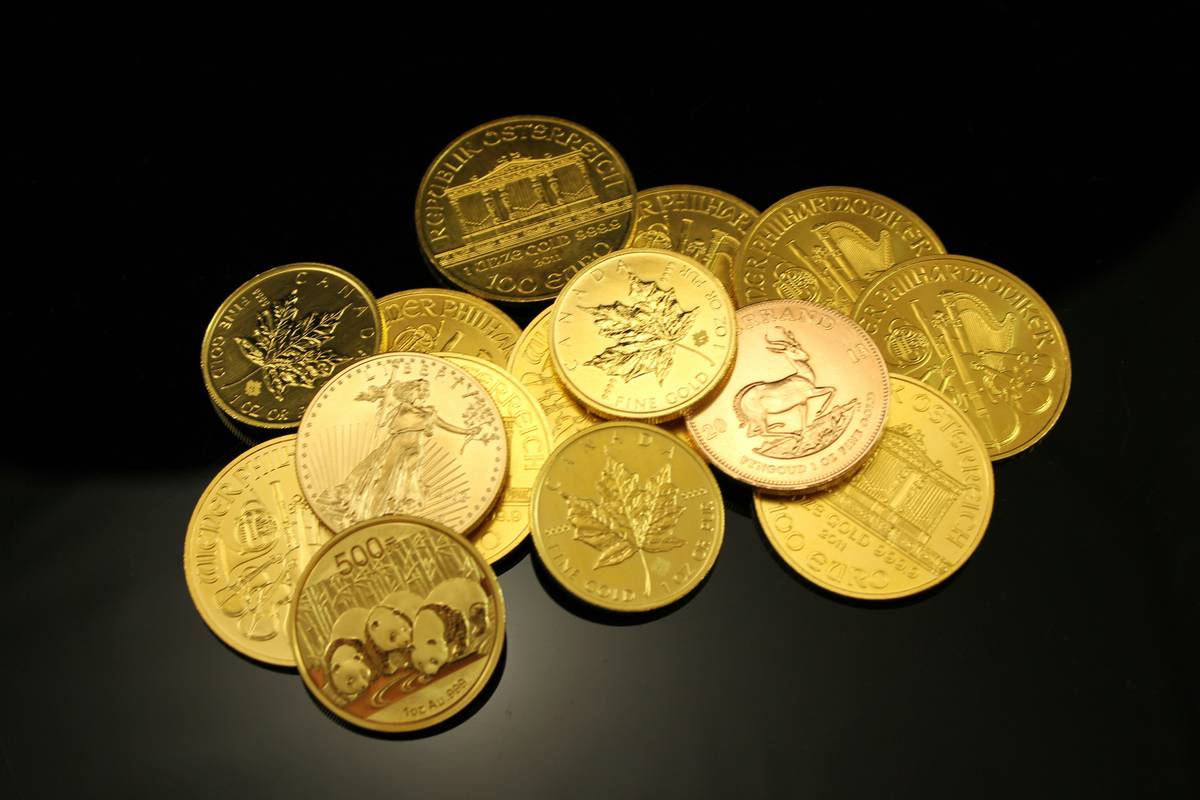
But here’s where most finance blogs stop—and where we dig deeper. Not all “gold investments” are equal. Buying a 1-oz American Eagle coin is worlds apart from pawning your late uncle’s pinky ring. One is strategic asset allocation; the other is converting dead weight into emergency cash.
I once made the mistake of assuming my “investment-grade” gold jewelry had resale parity with spot prices. Spoiler: it didn’t. The alloy mix, craftsmanship markups, and dealer margins turned what I thought was a $1,200 asset into a $420 payout. That experience taught me: if you’re selling scrap, focus on melt value, not perceived retail worth.
Step-by-Step: From Old Necklace to Cash or Long-Term Asset
Should I sell my scrap gold or hold it as an investment?
Optimist You: “Gold always goes up! Keep every gram!”
Grumpy You: “That tangled chain hasn’t seen daylight since 2012. Pay my water bill already.”
Truth? It depends on your goal.
Step 1: Sort & Identify What You Have
Separate items by karat stamp (10K, 14K, 18K, 22K). No stamp? That’s fine—reputable buyers test via acid or XRF machines. Note: non-karat items (costume jewelry, gold-plated) have near-zero melt value.
Step 2: Calculate Rough Melt Value
Use this formula:
(Weight in grams) × (Karat ÷ 24) × (Current spot price per gram)
Example: 20g of 14K gold at $68/gram spot = 20 × (14÷24) × 68 ≈ $793.
(Check live spot prices at Kitco.com—updated hourly.)
Step 3: Get 3+ In-Person Quotes
Avoid online-only buyers. Visit local pawn shops, coin dealers, or gold parties—but only those with:
- BBB accreditation
- On-site assaying capability
- Transparent payout structure (e.g., “85% of melt value”)
Step 4: Decide: Sell or Allocate?
If the cash solves an urgent need (debt, emergency fund), sell. If you’re building a diversified portfolio (5–10% allocation max), consider converting proceeds into IRS-approved gold bullion instead.
7 Brutally Honest Best Practices for Gold Investors & Sellers
- Never sell based on TV ads. Those “We Buy Gold” kiosks in malls average 30–50% below fair value (FTC Consumer Alert, 2022).
- Know your counterparty. Ask: “Do you refine in-house or sell to a third party?” Brokers take bigger cuts.
- Ditch the “collector’s value” fantasy. Unless it’s a rare proof coin or signed Cartier piece, scrap is priced by weight—not sentiment.
- Beware of “free appraisal” traps. Some bait-and-switch by lowballing, then pressuring you to buy “better” gold at inflated prices.
- Hedge, don’t bet. Allocate only what you can afford to hold 5+ years. Gold won’t make you rich—but it might keep you solvent.
- Document everything. Get receipts with item descriptions, weights, and payout amounts. Protects against disputes.
- Tax it right. Selling scrap gold is a capital event. Profits over basis (what you paid) are taxed as collectibles—up to 28% federally.
The Terrible Tip Nobody Should Follow
“Just melt it yourself with a blowtorch!” Nope. Home refining is dangerous, illegal without permits in most states, and destroys any residual numismatic value. Plus, your DIY ingot won’t fetch premium rates—dealers want pure, traceable bars.
Rant Time: My Pet Peeve in This Niche
The myth that “gold is always a safe investment.” Safe from what? Volatility? Sure. But safe from opportunity cost? Absolutely not. I’ve seen retirees dump Social Security checks into gold coins while missing out on dividend growth stocks that could’ve funded grandkids’ college. Gold is a tool—not a religion.
Real Talk: How One Client Turned $300 in Broken Earrings into $2,100
Last year, “Maria” (name changed) brought me a shoebox of inherited jewelry: mismatched earrings, a snapped tennis bracelet, and a watch with no band. She’d been quoted $320 by a mall kiosk.
We did this:
- Sorted by karat (mostly 18K)
- Tested with XRF gun at a BBB-rated refinery partner
- Negotiated 90% of melt value due to high purity + volume
Result? $2,087 cash. She used $1,500 to pay off credit card debt (22% APR) and invested the rest in a gold ETF (GLDM) for long-term exposure. Smart liquidity meets smart allocation.
FAQs About Investing in Gold and Precious Metals
Is now a good time to invest in gold and precious metals?
Timing the market is risky. Historically, gold shines during uncertainty (recessions, wars, inflation >5%). If your portfolio lacks inflation hedges, a small allocation (5–10%) makes sense regardless of timing.
How much can I get for scrap gold?
Reputable buyers pay 70–90% of melt value. At current prices (~$2,300/oz), 10g of 14K gold nets $550–$700. Avoid offers below 60%.
Are gold IRAs worth it?
Only if you want physical metal held in custody. Fees are high (storage, setup), and liquidity is low. For most, gold ETFs are simpler and cheaper.
Can I sell gold anonymously?
No. U.S. dealers must comply with Anti-Money Laundering (AML) laws. Bring ID and expect transaction reporting for sales over $10,000.
Conclusion
Investing in gold and precious metals isn’t one-size-fits-all. It’s a spectrum—from strategic bullion holdings to pragmatic scrap sales—that requires clarity on your financial goals. Don’t let emotional attachment or shiny myths cloud your judgment. Test, compare, calculate, and act with eyes wide open.
And that dusty jewelry box under your bed? It’s not clutter. It’s dormant capital. Treat it like one.
Like a 2004 Motorola Razr, your gold might look outdated—but underneath, it’s still got serious value.
Gold gleams in crisis,
Scrap sells best with three quotes—
Grandma’s chain pays bills.