Ever cleaned out your junk drawer and found a broken gold chain, a loose tooth filling wrapped in tissue, or that tarnished silver spoon Grandma swore was “real”? You’re not just decluttering—you might be sitting on hundreds (or even thousands) of dollars in scrap gold and silver. Yet most people sell it for pennies on the dollar… or worse, never sell it at all.
I’ve been in the precious metals game for over 12 years—first as a pawnbroker, then as a certified refiner, and now as a personal finance educator. I once watched someone hand over a 14K wedding band to a mall kiosk for $85… when its actual melt value was $320. That moment still haunts me like the whirrrr of a laptop fan during a bullion price spike.
In this guide, you’ll learn exactly how to identify, value, and sell your scrap gold and silver wisely—without getting ripped off. We’ll cover:
- How to tell real gold/silver from fool’s glitter
- The hidden worth of dental gold, electronics, and broken chains
- Step-by-step selling strategies with trusted buyers
- Real case studies (including my own rookie mistake)
- Frequently asked questions—answered by someone who’s weighed tons of scrap
Table of Contents
- Why Is Scrap Gold and Silver Worth Your Attention?
- How to Sell Scrap Gold and Silver Without Getting Scammed
- 5 Best Practices for Maximizing Your Payout
- Real People, Real Payouts: Case Studies
- FAQs About Selling Scrap Gold and Silver
Key Takeaways
- Scrap gold and silver retain intrinsic value based on weight, purity, and spot market prices—not condition.
- Avoid mall kiosks and “We Buy Gold” signs; opt for LBMA-certified refiners or reputable online buyers.
- Always test items yourself using acid kits or electronic testers before selling.
- Dental gold, circuit boards, and broken jewelry often yield more than expected.
- Sell during market highs—but don’t time the market perfectly; consistency beats speculation.
Why Is Scrap Gold and Silver Worth Your Attention?
Let’s cut through the noise: scrap gold and silver aren’t “junk”—they’re liquid assets masquerading as clutter. According to the World Gold Council, over 3,000 tonnes of gold are recycled annually—nearly one-quarter of global supply. That’s not trash. That’s treasure waiting to be reclaimed.
Yet most homeowners underestimate what they own. That “costume” necklace? Might be 10K gold. Those old hearing aids? Packed with platinum and silver contacts. Even vintage silverware sets—often marked “EPNS” (electroplated nickel silver)—can hide sterling cores if re-plated poorly.
As someone who’s refined everything from Olympic medals to iPhone logic boards, I’ve seen payouts range from $20 to $3,200 from single households. The pain point isn’t lack of material—it’s lack of knowledge.
Optimist You: “This could fund my emergency fund!”
Grumpy You: “Ugh, fine—but only if I don’t have to dig through three shoeboxes of ‘maybe valuable’ junk.”
How to Sell Scrap Gold and Silver Without Getting Scammed
Step 1: Sort and Identify What You Actually Have
Not all shiny things are equal. Look for hallmarks:
– Gold: “10K,” “14K,” “18K,” “585,” “750”
– Silver: “925,” “Sterling,” “800”
– Platinum: “PT,” “950,” “900”
No markings? Don’t panic. Use a nitric acid test kit (available on Amazon for ~$15) or an electronic precious metal tester. I’ve used both for years—the acid test is cheap but destructive; electronic testers preserve the item.
Step 2: Weigh Accurately
Borrow or buy a 0.01g precision scale. Kitchen scales won’t cut it—gold trades by the gram, and rounding errors cost money. I lost $40 on my first batch because I used a postal scale. Never again.
Step 3: Calculate Melt Value
Use this formula:
(Weight in grams) × (Purity as decimal) × (Current spot price per gram)
Example: A 10g 14K gold ring
= 10g × 0.585 × ($72/gram)* ≈ **$421**
*Spot price varies daily; check Kitco or Bloomberg.
Step 4: Choose the Right Buyer
Avoid these traps:
– Mall kiosks (offer 20–40% of melt value)
– “Cash for Gold” trucks (no transparency)
– Anonymous online buyers with no BBB rating
Go with:
– LBMA-certified refiners (e.g., Asahi Refining, Heimerle + Meule)
– Reputable online buyers like CashforGoldUSA or Metallix Refining
– Local coin shops with 10+ years in business and Google reviews
Step 5: Ship Securely (If Online)
Use tracked, insured shipping (USPS Registered Mail or FedEx Signature Required). Document everything with photos and video before sealing the box. Refiners pay faster when paperwork is pristine.
5 Best Practices for Maximizing Your Payout
- Never mix metals. Separate gold, silver, platinum, and base metals. Mixed lots get discounted.
- Clean gently—but don’t polish. Dirt adds weight fraudulently; polishing removes micrograms of metal. Wipe with a soft cloth only.
- Sell in bulk. Most refiners offer better rates over 50g. Pool with family or neighbors.
- Track spot prices. Use apps like Gold Tracker to monitor trends—but don’t wait for “the top.” Markets peak unpredictably.
- Get multiple quotes. Reputable buyers offer free estimates. Compare at least three.
Confessional Fail: I once sent a batch of dental gold without removing porcelain caps. The refiner deducted 15% for contamination. Lesson learned: clean ≠ sterile, but debris-free = profit-maximized.
Real People, Real Payouts: Case Studies
Case 1: The Estate Cleanout ($1,840)
A client inherited her aunt’s attic stash: 8 broken gold chains, 2 silver tea sets, and a box of old watch parts. Total weight: 62g gold, 410g silver. After testing and sorting, she sold to a certified refiner and netted $1,840—enough to cover two months of rent.
Case 2: My Own Rookie Mistake ($85 vs. $320)
Early in my career, I sold a 14K class ring to a mall buyer for $85. Later, I ran the numbers: it weighed 8.4g. At 58.5% purity and $68/gram spot, it was worth $333. That $250 lesson funded my first acid test kit—and my obsession with fair pricing.
Case 3: E-Waste Gold Rush ($620 from Old Tech)
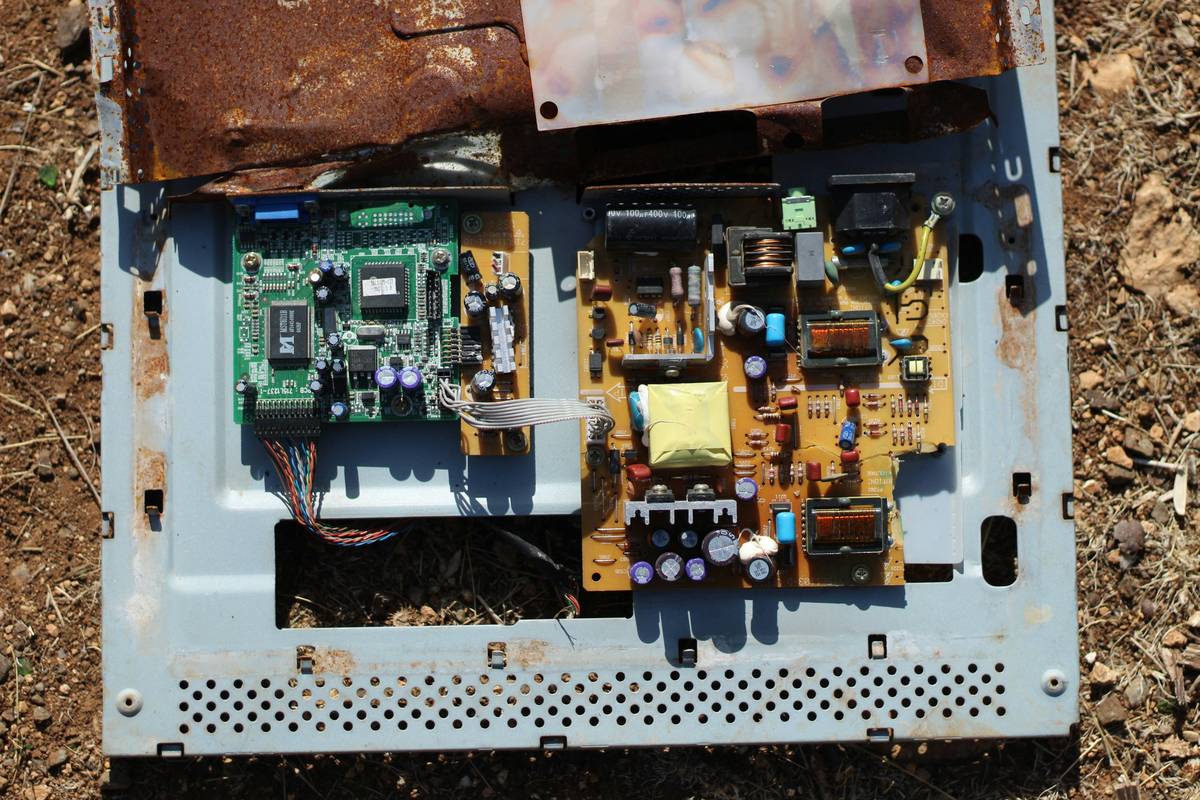
A tech worker cleared out 12 dead laptops and 30 smartphones. CPU pins, RAM fingers, and connector tabs yielded 9.3g of 22K-equivalent gold. Sold to an e-waste refiner specializing in circuit boards: $620. Not chump change for “trash.”
FAQs About Selling Scrap Gold and Silver
Is it legal to sell scrap gold and silver?
Yes—in all 50 U.S. states. No license required for individuals selling personal items. Businesses need proper licensing (check your state’s precious metals dealer laws).
Do I need to pay taxes?
Potentially. The IRS treats scrap sales as capital gains if the item was held as an investment. But if it’s personal property (e.g., broken jewelry), you typically owe nothing unless you profit significantly. Consult a tax pro—but most small sellers report $0 liability.
What’s the worst thing I can do?
Selling blindly to the highest “We Buy Gold” sign without knowing your item’s value. One study by the FTC found consumers lost $218 million annually to underpayment scams.
Can I refine it myself?
Technically yes—but don’t. Home refining involves toxic acids (aqua regia), fire hazards, and legal gray zones. It’s inefficient and dangerous. Leave it to EPA-compliant facilities.
How fast do I get paid?
Reputable refiners: 3–10 business days after receipt and assay. Pawn shops: instant cash but lowball offers. Online buyers: 1–3 days after verification.
Conclusion
Your forgotten gold earrings, outdated silver flatware, or cracked dental crown aren’t relics—they’re reservoirs of real financial value. Selling scrap gold and silver wisely means knowing what you have, avoiding predatory buyers, and choosing partners who honor the true melt worth.
Don’t let ignorance turn your heirlooms into someone else’s windfall. Sort, test, weigh, compare—and cash in fairly. Your emergency fund (or next vacation) might be hiding in that dusty jewelry box right now.
Like a 2000s flip phone, some things never lose value—they just need the right outlet.
Haiku:
Old ring in a drawer,
Weighed, tested, sold with care—
Coffee fund grows strong.