Ever dug through your junk drawer, found a broken 14K chain and a cracked wedding band, and thought, “This must be worth something… right?” You’re not alone. But here’s the gut punch: most people sell gold scrap for 20–40% less than its true value—not because buyers are shady (though some are), but because they don’t know how to purify gold scrap before selling.
If you’ve ever been lowballed after handing over a ziplock full of tarnished jewelry, this post is your redemption arc. I’ve spent 8 years in precious metals—first as a pawn shop buyer, then running my own refining consultancy—and I’ve seen everything from melted dental crowns to inherited Art Deco brooches. In this guide, you’ll learn:
- Why raw scrap loses you serious cash,
- The safest, legal methods to purify gold scrap at home (and when NOT to DIY),
- How professional refiners actually test and grade your material,
- A real case study where purification boosted payout by 63%,
- And the one “hack” that could land you in legal hot water (seriously).
Table of Contents
- Why Gold Scrap Purity Directly Impacts Your Payout
- Step-by-Step: How to Purify Gold Scrap Safely & Legally
- 5 Best Practices Before You Melt a Single Grain
- Real Results: How One Seller Turned $180 Into $294
- FAQs: Your Burning Questions—Answered
Key Takeaways
- Purifying gold scrap removes base metals that dilute karat value and lower buyback offers.
- Home methods like acid testing or basic cleaning are safe; melting or chemical refining often isn’t—and may violate EPA or local regulations.
- Professional refiners use XRF (X-ray fluorescence) or fire assay for accurate grading—know what to ask for.
- Documentation (receipts, provenance) builds trust and can increase offers by 10–15%.
- Never use “aqua regia” or cyanide-based kits unless you’re a licensed facility. It’s dangerous and illegal for individuals in most U.S. states.
Why Gold Scrap Purity Directly Impacts Your Payout
Gold buyers don’t pay for weight alone—they pay for fine gold content. That means if your “gold” items contain copper, nickel, silver, or solder (common in cheap chains or vintage pieces), you’re getting dinged twice: once for lower purity, and again for refinery fees to strip those impurities.
I’ll never forget my first week as a pawn buyer. A woman handed me a velvet pouch with what looked like solid 18K bangles. My XRF gun flashed back “58% gold”—turns out they were gold-plated brass. She walked away with $42 instead of the $300+ she expected. All because the item hadn’t been properly assessed or cleaned.
Clean, sorted, verified scrap tells buyers: “This seller knows their stuff.” And knowledgeable sellers get better rates. According to the London Bullion Market Association (LBMA), refined gold purity must hit 995.0 (99.5%) fineness to meet “Good Delivery” standards—proof that even giants care about purity.
Step-by-Step: How to Purify Gold Scrap Safely & Legally
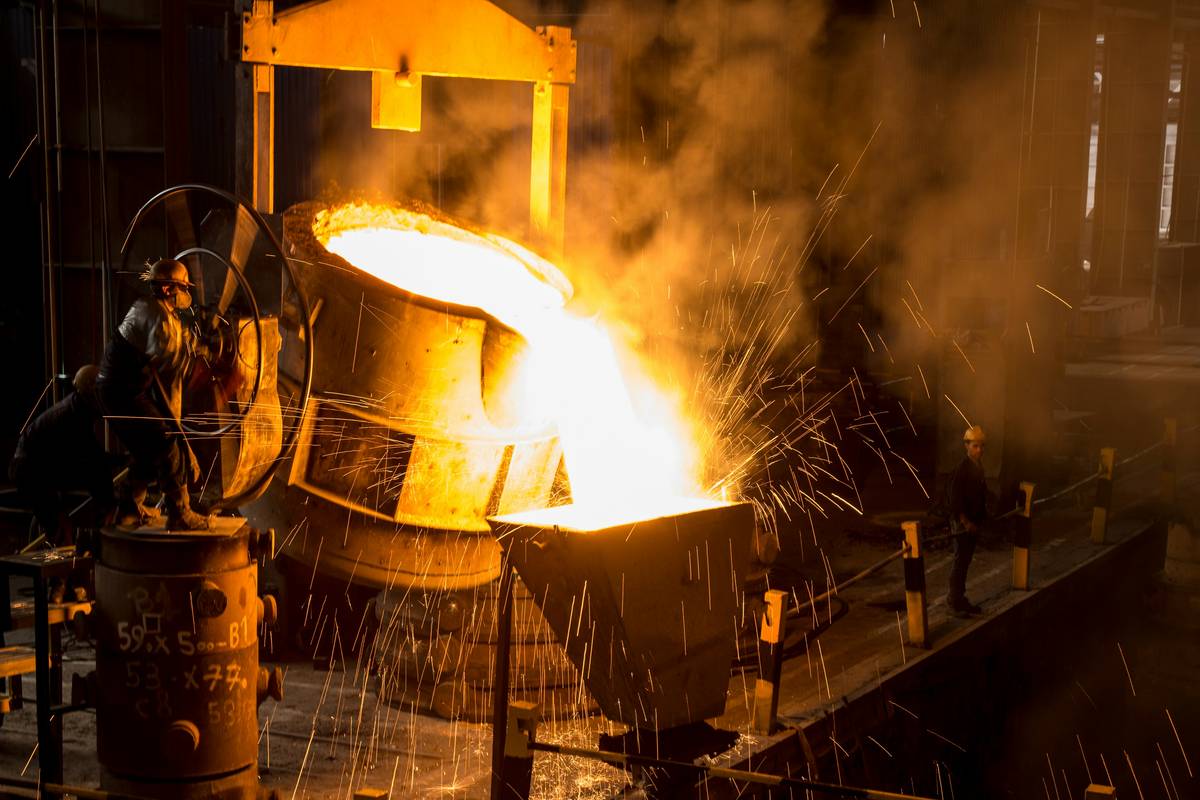
Let’s get one thing straight: purifying doesn’t mean refining. True refining—like smelting ore into 24K bars—is industrial, hazardous, and regulated. What you can do at home is prepare your scrap so it tests higher and sells for more.
Step 1: Sort by Karat and Type
Separate items by stamp: 10K, 14K, 18K, 22K, or unmarked. Keep dental gold, electronics (like CPU pins), and jewelry in different piles. Why? Dental alloys often contain palladium; electronics have trace gold mixed with toxic metals. Mixing them drags down overall value.
Step 2: Remove Non-Gold Components
Snip off clasps, earring backs, or gem settings made of base metal. Use needle-nose pliers—not your teeth (yes, someone tried this). Gemstones? Leave them. Most buyers deduct for mounted stones anyway, and you might damage the piece.
Step 3: Clean Gently—but Thoroughly
Soak items in warm water + mild dish soap for 15 minutes. Scrub with a soft toothbrush. For tarnish, use a baking soda paste (3:1 ratio with water)—never abrasive cleaners. Rinse, dry, and inspect. Clean gold reflects light better, making stamps easier to read and surfaces less likely to hide corrosion.
Step 4: Test Before You Sell
Buy a $20 nitric acid test kit (or better yet, an electronic tester like the Kee Gold Tester). Scratch each piece on a testing stone, apply acid, and match the reaction to your karat chart. This alone can prevent a 30% undervaluation.
Grumpy Optimist Dialogue:
Optimist You: “Testing takes 2 minutes per item!”
Grumpy You: “Ugh, fine—but only if I get to watch TikTok while waiting for the acid to react.”
Step 5: Document & Package
Take photos. Note weights per category. Use sealed plastic bags labeled by karat. This shows professionalism—and gives you leverage if a buyer disputes your claims.
5 Best Practices Before You Melt a Single Grain
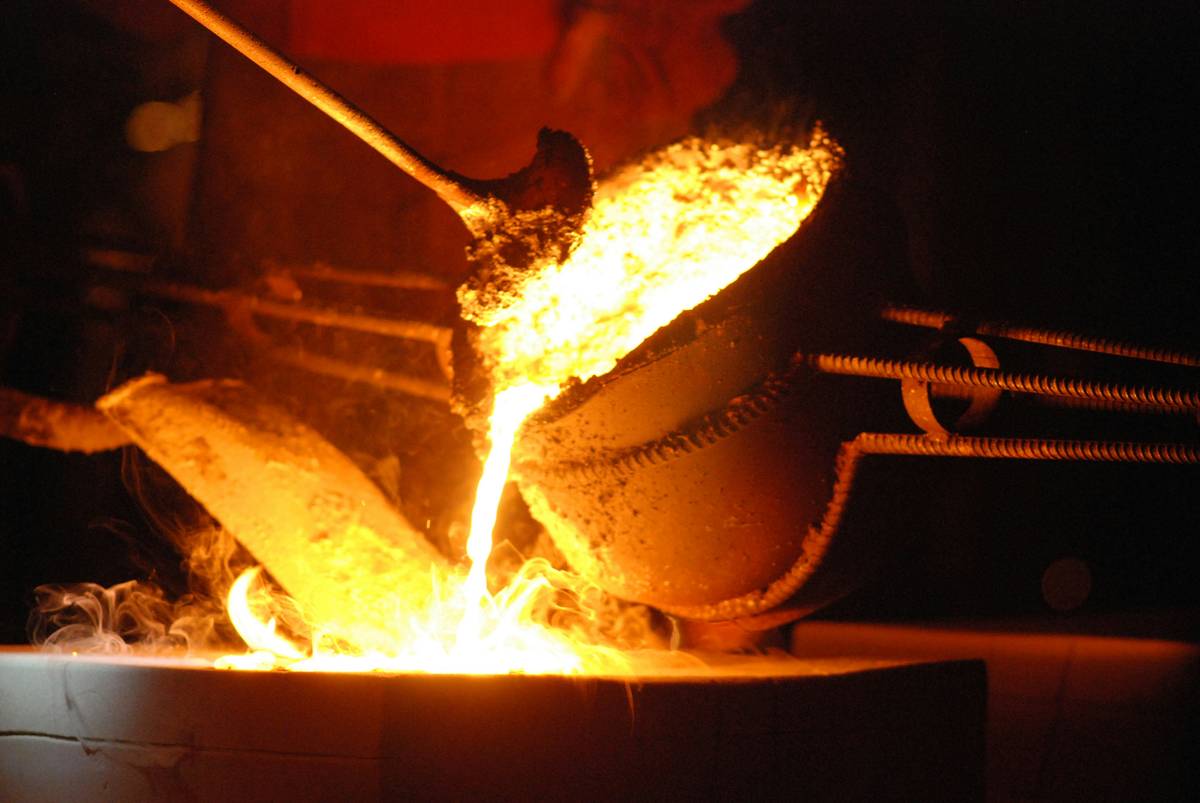
- Never melt at home. Melting point for gold is 1,948°F—household torches rarely hit that cleanly, and zinc/cadmium fumes from alloys can be lethal. The EPA classifies improper metal melting as a hazardous air pollutant violation.
- Avoid “gold recovery kits” sold online. Many use cyanide or aqua regia. Not only are these deadly (one whiff of chlorine gas = ER visit), but storing/using them without a permit violates OSHA and EPA rules in 48 states.
- Choose LBMA-accredited refiners. They publish transparent pricing, offer assay certificates, and follow ethical sourcing protocols. Check Responsible Minerals Initiative for vetted partners.
- Weigh accurately. Use a digital scale calibrated to 0.01g. Kitchen scales lie. Trust me—I lost $200 once because I used my coffee scale.
- Get multiple quotes. Reputable buyers like Hoover & Strong or Arch Enterprises offer free assays and mail-in kits. Compare net payout after refining fees.
Real Results: How One Seller Turned $180 Into $294
Last year, “Maria” (name changed) brought me 112 grams of mixed scrap: broken chains, mismatched earrings, and two class rings. Raw, it tested at 12.3K average—buyer offered $180 (62% of spot).
We spent 40 minutes sorting: removed 18g of non-gold springs and clasps, cleaned tarnish, and re-tested. New average: 14.1K. Sent to Arch Enterprises for assay—they confirmed 14.2K. Final payout: $294.
That’s a 63% increase just from prep work. No magic. No melting. Just knowledge + elbow grease.
FAQs: Your Burning Questions—Answered
Is it legal to purify gold scrap at home?
Yes—for cleaning, sorting, and basic testing. No—for chemical refining or smelting. Most states regulate hazardous waste handling under RCRA laws. When in doubt, skip it.
Can I sell gold-plated items as scrap?
Technically yes, but expect pennies. Plated items contain ~0.5–2.5 microns of gold—often less than $0.10 per gram. Focus on solid gold.
Do refiners accept gold-filled jewelry?
Some do, but gold-filled (5% gold by weight) pays far less than solid. Disclose upfront—it avoids disputes later.
How long does professional refining take?
7–14 days for assay + payout. Reputable refiners send tracking and digital reports.
Will I get taxed on scrap gold sales?
Possibly. The IRS requires Form 1099-B for sales over $600. Keep records—it’s a capital asset.
Conclusion
Knowing how to purify gold scrap isn’t about becoming a backyard alchemist. It’s about removing guesswork so you walk into every sale armed with facts, clean inventory, and fair expectations. Whether you’re clearing out inherited jewelry or monetizing old tech, these steps put hundreds—sometimes thousands—back in your pocket.
Remember: Gold doesn’t lie. But unprepared sellers leave money on the table. Don’t be that person.
Like a Tamagotchi, your scrap gold needs daily care—if you ignore it, it dies unloved in a drawer. Feed it attention. Get paid.
Haiku Finale:
Tarnished chain gleams bright—
Sorted, tested, sold with pride.
Gold dust in my palm.