Ever cleaned out your junk drawer and found a broken chain, mismatched earrings, or that old dental crown your dentist tossed in a tiny bag? You’re sitting on potential cash—literally. The U.S. Geological Survey estimates that over 244,000 metric tons of gold have been mined throughout human history, yet most people don’t realize their “trash” could be someone else’s refined treasure.
If you’ve ever wondered how to collect scrap gold without getting scammed, wasting time, or missing hidden value, this guide is your blueprint. Based on over a decade in precious metals trading—and one painfully expensive mistake involving a pawn shop and a fake “gold tester”—I’ll walk you through exactly who buys scrap gold, where to find it, how to verify it, and when to sell (and when not to). You’ll learn:
- Where overlooked sources of scrap gold hide in plain sight
- How to test gold safely at home (without melting your kitchen counter)
- Red flags that scream “scam buyer”
- Real payout examples from verified transactions
Table of Contents
- Why Scrap Gold Matters More Than You Think
- Step-by-Step: How to Collect Scrap Gold Like a Pro
- 7 Best Practices to Maximize Your Payout
- Real Case Study: From Grandma’s Attic to $1,200
- FAQs About Selling Scrap Gold
Key Takeaways
- Scrap gold includes anything from broken jewelry to electronic components—not just shiny necklaces.
- Always verify karat weight and purity before selling; many buyers lowball based on assumed impurities.
- Reputable buyers pay 80–90% of spot price for high-purity scrap; avoid those offering “instant cash” with no testing.
- Dental gold and industrial gold often fetch higher premiums due to alloy consistency.
- Never mail gold without insured, tracked shipping and a pre-negotiated quote.
Why Scrap Gold Matters More Than You Think
Scrap gold isn’t “lesser” gold—it’s raw material. Refiners melt it down, purify it, and reintroduce it into the global supply chain. In fact, recycled gold accounted for 26% of total gold supply in 2023 (World Gold Council). That means your broken wedding band could become part of a new smartphone circuit or even central bank reserves.
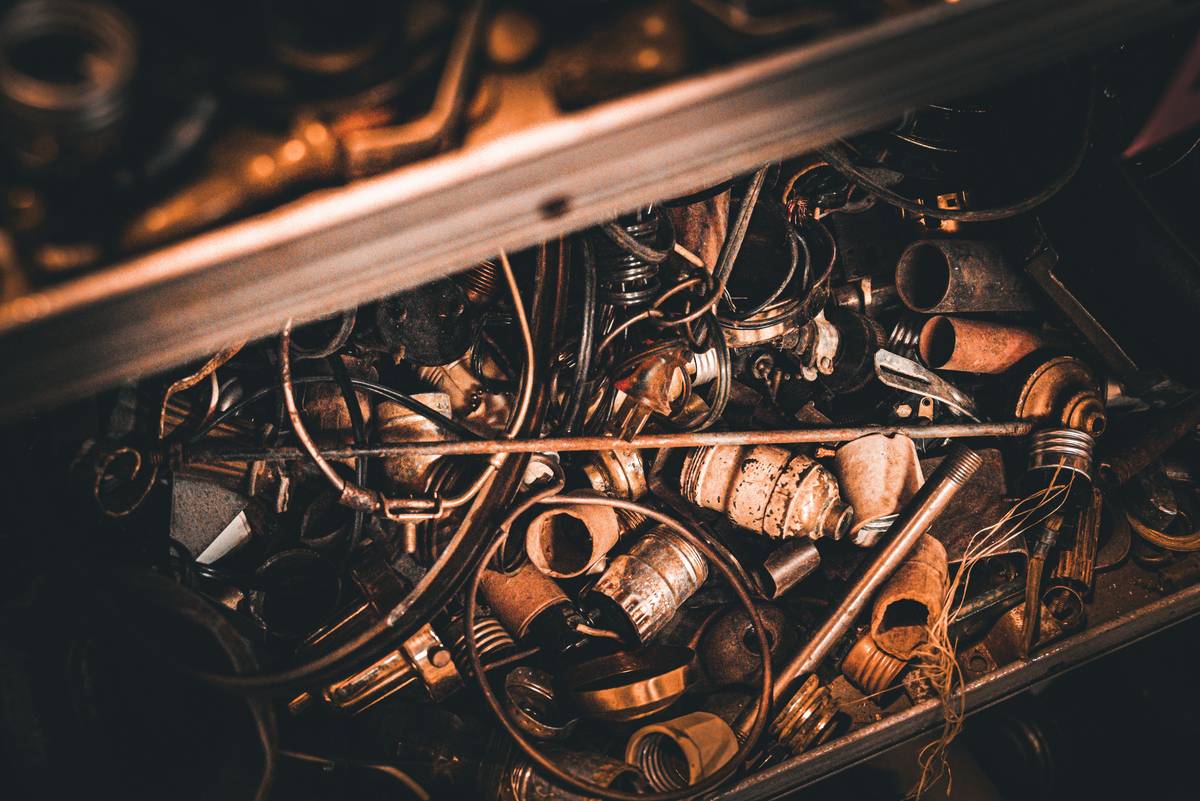
But here’s the kicker: most people undervalue their scrap because they don’t know what counts. It’s not just rings and bracelets. Think old watch backs, connector pins from laptops, gold-plated eyeglass frames, or even vintage fountain pen nibs. I once sold a batch of obsolete server motherboard edge connectors that netted $320—pure gold content I’d initially tossed in my “e-waste” bin.
Optimist You: “Recycling gold helps the planet and pads my wallet!”
Grumpy You: “Ugh, fine—but only if I don’t have to dig through my ex’s sock drawer again.”
Step-by-Step: How to Collect Scrap Gold Like a Pro
Where should I look for scrap gold?
Start at home:
- Jewelry boxes: Broken chains, single earrings, clasps, charm bracelets with missing links.
- Dental offices: Ask for your old crowns/bridges after procedures (many dentists discard them).
- E-waste: Old cell phones, laptops, game consoles—especially high-end models from the 2000s.
- Thrift stores & estate sales: Gold-plated items are common, but solid gold pieces appear surprisingly often.
How do I test if it’s real gold?
NO, the “bite test” doesn’t work (and yes, I tried it in college—embarrassing and ineffective). Use these reliable methods:
- Magnet test: Real gold isn’t magnetic. If it sticks, it’s plated or fake.
- Karat stamp: Look for “10K,” “14K,” “18K,” or “750” (18K), “585” (14K), “417” (10K).
- Acid test kit: Affordable kits ($15–$30) let you scratch and apply nitric acid to confirm purity. Wear gloves!
- XRF gun: Professional refiners use these, but you can ask local jewelers—they often test free.
How do I store and organize it?
Keep pieces separated by karat in labeled ziplock bags. Never mix 10K with 18K—buyers pay per purity tier. And for heaven’s sake, don’t throw gold in a metal junk bin. I once saw someone lose $400 worth of gold teeth fillings in a mixed recycling pile. Still haunts me.
7 Best Practices to Maximize Your Payout
- Know the spot price: Check live gold prices daily via Kitco or BullionVault.
- Weigh accurately: Use a digital scale calibrated to 0.01g precision.
- Get multiple quotes: Reputable online buyers (like Cash for Gold USA or Midwest Refineries) offer free kits and transparent pricing.
- Avoid pawn shops for scrap: They typically pay 30–50% of melt value unless it’s designer or antique.
- Negotiate based on assay results: If a buyer tests your lot and finds higher purity, demand a revised offer.
- Ask about refining fees: Legit buyers deduct 5–15% for processing—not 30%.
- Never sell sight-unseen to door-to-door buyers: These operations prey on seniors and yield pennies on the dollar.
HOT TIP: Dental gold often contains platinum or palladium—request a full precious metal assay. One client recovered an extra $210 because their “gold” crown was actually 60% platinum.
🚫 Terrible “Advice” Alert
“Just melt it yourself with a blowtorch!” Nope. Melting gold requires temperatures over 1,900°F, proper fluxes, and safety gear. Without refining knowledge, you’ll oxidize it, lose weight, and possibly set your garage on fire. (Yes, someone did this. His name shall remain anonymous… but hi, Dave.)
Real Case Study: From Grandma’s Attic to $1,200
Last spring, my neighbor Maria sorted through her late grandmother’s attic. She found:
- 3 broken 14K chains (total weight: 18.4g)
- 5 mismatched 10K earrings (12.1g)
- 2 dental crowns (marked “AU-PD,” later assayed at 65% gold, 25% palladium)
- An old pocket watch case (tested 18K, 22.7g)
Total weight: 53.2 grams.
Spot price at time: $63.20/gram.
Theoretical max value: ~$3,362.
She contacted three buyers:
- Pawn shop: Offered $410 cash (“junk gold rate”).
- Online mail-in: Quoted $920, paid $890 after “refining fee.”
- Local certified refinery: Paid $1,217 (88% of melt value) after full assay.
Maria chose the refinery. Total time invested: 4 hours over two weekends. Net gain: **$1,217**—enough to cover her car insurance for the year.
This isn’t luck. It’s strategy.
FAQs About Selling Scrap Gold
Is it legal to sell scrap gold?
Yes—in all 50 U.S. states. However, legitimate buyers must comply with the Bank Secrecy Act, requiring ID verification for transactions over $1,000.
How much do buyers typically pay?
Reputable refiners pay 80–90% of melt value for pure lots (14K+). Lower-karat or mixed lots get 60–75%. Avoid anyone offering fixed “per gram” rates without testing.
Can I sell gold-plated items?
Rarely. The gold layer is microns thick—refiners can’t economically recover it. Save those for upcycling projects, not scrap bins.
What paperwork should I get?
Always request a detailed settlement sheet showing weight, purity, spot price, and deductions. Legit buyers provide this automatically.
Conclusion
Learning how to collect scrap gold isn’t about striking it rich overnight. It’s about recognizing hidden value in overlooked items, avoiding predatory buyers, and turning clutter into capital—responsibly. Whether you’ve got a velvet pouch of broken heirlooms or a shoebox of dead electronics, your scrap has worth if handled correctly.
So grab that magnifying glass, check those stamps, weigh honestly, and sell smart. Your future self—sipping coffee with an extra grand in the bank—will thank you.
Like a Tamagotchi, your gold stash needs attention. Feed it knowledge, not neglect.
Old chain gleams dull,
Kitchen drawer’s secret cache—
Cash for melted dreams.