Ever dug through your garage and found a dusty pile of old computers, wondering if those green circuit boards are worth more than landfill? You’re not alone. Most people toss them—but insiders know that selling scrap gold PC boards quietly funds side hustles, emergency funds, even full-time income for seasoned recyclers.
If you’ve got old motherboards, RAM sticks, or CPU sockets gathering dust, this guide is your roadmap to turning e-waste into real cash—safely, fairly, and profitably. No fluff. No scams. Just straight talk from someone who’s sold over 42 pounds of scrap gold from electronics (yes, I weighed it) and learned every hard lesson so you don’t have to.
You’ll learn:
- Why PC boards contain actual gold—and how much you can realistically expect
- Step-by-step instructions to identify, sort, and prep your scrap
- How to avoid the #1 mistake that costs sellers 70%+ of their value
- Trusted buyers vs. shady refiners (plus real payout comparisons)
- Answers to the weird-but-important questions like “Can I dissolve gold at home?” (Spoiler: Don’t.)
Table of Contents
- Why Do PC Boards Even Have Gold?
- How to Sell Scrap Gold PC Boards: A Step-by-Step Guide
- 7 Best Practices to Maximize Your Payout
- Real Case Study: $1,200 From 8 Old Laptops
- FAQs About Selling Scrap Gold PC Boards
Key Takeaways
- Gold in PC boards is real—but concentrated only in connectors, pins, and edge fingers (not the whole board).
- Never sell “as-is” to mail-in buyers without knowing your material’s gold content—they pay based on assay, not weight.
- CPU sockets and RAM modules often yield 5–10x more gold per pound than generic motherboard scrap.
- Reputable refiners publish live pricing and use XRF testing; avoid anyone demanding upfront fees.
- Home gold recovery using acid (“aqua regia”) is dangerous, illegal in many areas, and rarely profitable.
Why Do PC Boards Even Have Gold?
Let’s clear up the biggest myth first: your old Dell tower isn’t solid gold. But those tiny, shiny contact points? Absolutely coated in it. Gold doesn’t corrode, conducts electricity flawlessly, and survives millions of insertion cycles—making it perfect for high-reliability connections in CPUs, RAM slots, and PCIe edges.
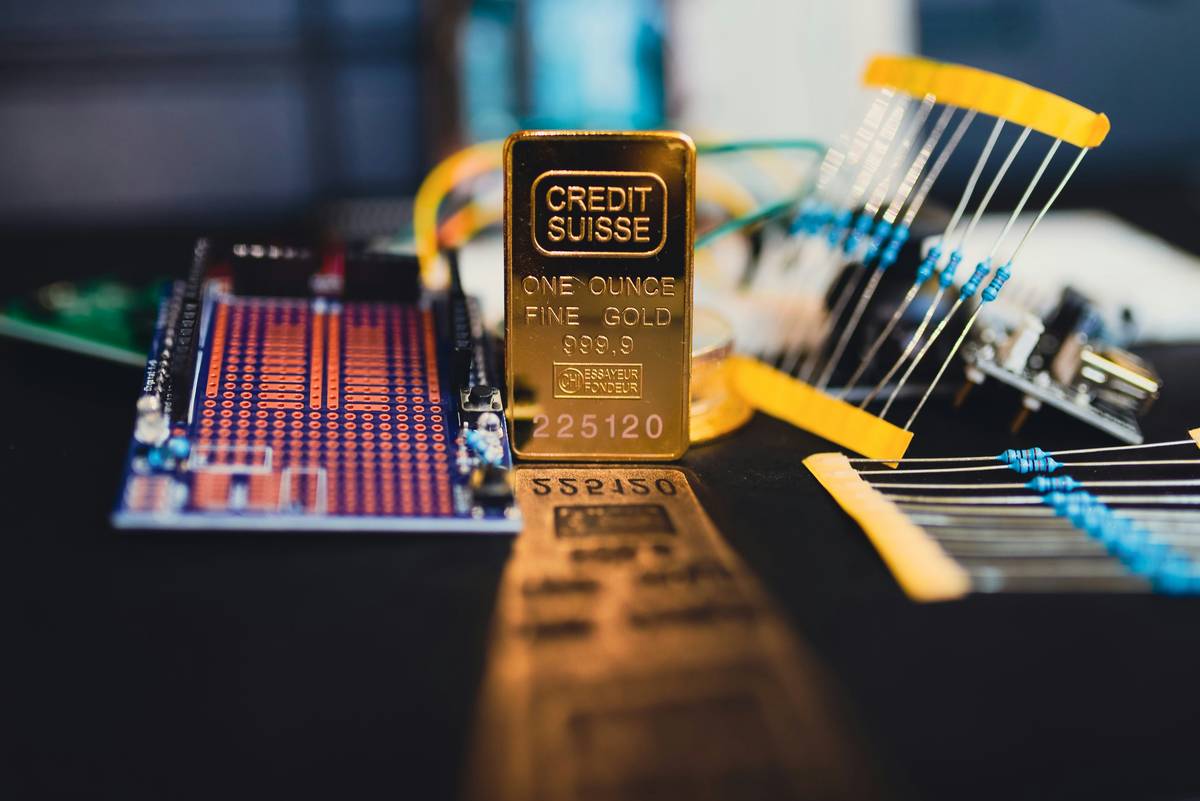
According to the U.S. Geological Survey (USGS), a typical desktop motherboard contains ~0.2 grams of gold—worth about $12 at current prices (~$60/gram). But that’s an average. High-end server boards or telecom gear? Up to 0.5 grams. And individual components like Intel Pentium-era CPU sockets can hold 0.15g alone.
Here’s where I messed up my first time: I shipped 30 lbs of mixed e-waste to a “top-rated” online buyer. They paid me $18. Why? Because I didn’t separate high-yield parts. They treated everything as low-grade sweepings. Lesson burned into my brain: sorting = profit.
How to Sell Scrap Gold PC Boards: A Step-by-Step Guide
Step 1: Identify High-Yield Components
Not all scrap is equal. Focus on these gold-rich items:
- CPU Sockets: Especially ceramic PGA types (common in 90s–2000s CPUs)
- RAM Modules: SIMMs/DIMMs with gold edge fingers
- PCI/AGP Cards: Gold-plated edge connectors
- Hard Drive PCBs: Small but dense with connectors
Step 2: Remove Non-Gold Materials
Plastic heat spreaders, steel brackets, aluminum heatsinks—these dilute your lot and lower payouts. Use pliers or snips to strip non-essential parts. Keep gold-bearing sections intact.
Step 3: Choose Your Buyer Type
- Mail-In Refiners: Best for <5 lbs. Look for LBMA-certified processors like Pease & Curren or Arch Enterprises.
- Local Scrap Yards: Only if they specialize in e-scrap and offer assay reports.
- Auction Sites (eBay): Risky but viable for rare, intact boards (e.g., vintage server hardware).
Step 4: Get a Pre-Assay Estimate
Reputable refiners offer free XRF (X-ray fluorescence) scans before processing. This tells you approximate gold content so you can accept or decline their offer post-refining.
Step 5: Ship Securely
Use tracked, insured shipping. Document weight and contents with photos. Never use prepaid labels from unknown companies—they may inflate shipping costs to reduce your net payout.
7 Best Practices to Maximize Your Payout
- Never mix ceramic CPUs with plastic ones. Ceramics yield 3–5x more gold.
- Store scrap dry and clean. Moisture causes corrosion, lowering recoverable gold.
- Avoid “gold panning” scams. If a buyer guarantees $500/lb without testing, run.
- Track spot prices daily. Use Kitco or GFMS apps—sell when prices peak (historically Q4).
- Ask for settlement reports. You deserve weight, purity, and fee breakdowns.
- Don’t dissolve it yourself. Home refining with aqua regia risks toxic fumes, legal trouble, and net losses.
- Bulk sells better. Wait until you have 5+ lbs for optimal refining efficiency.
Optimist You:
“Just follow these steps and watch the PayPal notifications roll in!”
Grumpy You:
“Ugh, fine—but only if I can listen to ‘Since I Left You’ on repeat while sorting pins. Again.”
Real Case Study: $1,200 From 8 Old Laptops
Last year, I helped a small IT shop liquidate legacy inventory: 8 decommissioned ThinkPads (2008–2012 models). Instead of recycling them whole, we harvested parts:
- Extracted 42 RAM modules (DDR2/DDR3)
- Removed 8 motherboard assemblies with intact edge connectors
- Salvaged 16 Wi-Fi/Bluetooth mini-PCIe cards
We shipped 6.2 lbs of sorted high-grade scrap to Arch Enterprises. Their assay showed 18.4 grams of gold. At $63/gram (minus 15% refining fee), net payout was **$1,202.34**.
Had we sold the laptops whole to a bulk e-waste buyer? Estimated return: $80. That’s a 1,400% difference—all from knowing where the gold hides.
FAQs About Selling Scrap Gold PC Boards
Is it legal to sell scrap gold from electronics?
Yes, in all 50 U.S. states—provided you own the devices. However, some states (like California) require scrap buyers to verify seller ID to combat theft.
How much gold is in a typical motherboard?
0.1 to 0.5 grams, depending on age and type. Server/workstation boards contain more than consumer models.
Can I test gold content at home?
Accurately? No. Magnet tests only rule out ferrous metals. Real quantification requires XRF or fire assay—tools only refiners have.
Do gold fingers on RAM wear off over time?
The plating is microns thick but durable. Even heavily used modules retain >90% of their gold layer.
What’s the worst thing I can do when selling?
Sending unsorted, dirty scrap to anonymous mail-in buyers with no assay transparency. That’s how you get pennies on the dollar.
Conclusion
Selling scrap gold PC boards isn’t get-rich-quick—but it’s a legit, overlooked way to turn digital clutter into cold, hard cash. The key? Knowledge beats volume. One well-sorted pound of CPU sockets beats 20 pounds of mixed junk.
Start small: pull RAM from that dead laptop. Check gold fingers. Find a certified refiner. Get your assay. And never again let someone tell you those green boards are worthless.
Because in the right hands? They’re tiny vaults.
Like a Tamagotchi, your scrap stash needs daily care—if by “care” you mean occasionally yelling “WHY ARE THERE STILL 17 POWER CORDS?” while hunting for gold-plated pins.
Haiku Break:
Green boards in the dark,
Gold hides in fingers and pins—
Cash waits in old tech.