Ever dug through your junk drawer and found a tangled necklace, a broken bracelet from your grandma’s attic, or that 1987 high school ring gathering dust? You’re not alone. According to the World Gold Council, over 25% of global gold demand comes from recycling—and much of it starts as “scrap” in someone’s junk drawer like yours. But if you’ve ever Googled “selling scrap gold how beginner in,” you probably hit a wall of sketchy buyers, confusing karat charts, and horror stories of people getting ripped off for pennies.
This guide cuts through the noise. I’ve bought and sold scrap gold professionally for over eight years—including running my own local refining operation before pivoting to education. I’ll walk you through exactly how to sell your scrap gold safely, fairly, and profitably as a total newbie—no jargon without explanation, no fluff, just actionable steps backed by real-world experience.
You’ll learn:
- How to ID what actually counts as “scrap gold” (hint: it’s not just rings)
- The #1 mistake beginners make that costs them 30–60% of their payout
- How to vet buyers so you don’t get lowballed (or scammed)
- Why mail-in kits can be great—or a total trap
Table of Contents
- Why Bother Selling Scrap Gold? (And Who Should Skip It)
- Selling Scrap Gold Step-by-Step: From Drawer to Deposit
- 5 Best Practices Most Beginners Ignore (But Shouldn’t)
- Real Case Study: How My Cousin Turned $127 Worth of “Junk” into $420
- FAQs About Selling Scrap Gold for Beginners
Key Takeaways
- “Scrap gold” includes broken jewelry, dental crowns, old coins, and even electronics—not just shiny heirlooms.
- Never sell based on “total weight” alone; purity (karat) determines real value.
- Always get multiple offers—online AND local—and check buyer credentials via the Better Business Bureau or NAID.
- Avoid buyers who refuse to explain their payout formula or pressure you to decide immediately.
- Gold prices fluctuate daily; timing matters, but knowledge matters more.
Why Bother Selling Scrap Gold? (And Who Should Skip It)
If you’ve got gold items lying around but aren’t wearing them, they’re literally losing value. Not because gold depreciates (it doesn’t), but because inflation eats at your buying power while that chain sits idle. Plus, selling scrap gold is one of the few financial moves where you can turn clutter into cash—fast—with near-zero effort once you know the ropes.
But here’s the confessional fail I need to share: Early in my career, I accepted a “flat $20 per gram” offer from a mall kiosk for a client’s 14K wedding band. Big. Mistake. Turned out the spot price that day was ~$65/gram for pure gold, and 14K is 58.3% pure—so fair value was closer to $38/gram. We left $360 on the table. Sounds like your microwave trying to defrost a steak—buzzzzz, whirrrr, regret.
Not all gold is worth selling, though. If you have sentimental pieces or rare collectibles (like vintage Rolex parts or numismatic coins), consult an appraiser first. For the rest? Let’s monetize.

Selling Scrap Gold Step-by-Step: From Drawer to Deposit
Step 1: Gather & Sort Your Items
Pull everything gold-colored from drawers, boxes, and safety deposit vaults. Look for hallmarks: “10K,” “14K,” “18K,” “585” (14K), “750” (18K), or “999” (pure). No marking? It might still be gold—but treat it as lower purity until tested.
Step 2: Separate by Karat
Mixing karats = lower average payout. Keep 10K, 14K, 18K, and 22K+ in separate bags. Toss anything magnetic—it’s fake (real gold isn’t magnetic).
Step 3: Weigh Accurately
Use a digital scale accurate to 0.01 grams (kitchen scales won’t cut it). Total grams per karat group = your baseline.
Step 4: Calculate Rough Value
Formula:
(Weight in grams) × (Karat ÷ 24) × (Current Gold Spot Price per gram) × (Buyer’s Payout %)
Example: 10g of 14K gold on a day when spot price = $68/gram, and buyer pays 80%:
10 × (14÷24) × 68 × 0.80 ≈ $317
Step 5: Get Multiple Offers
Approach at least 3 buyers:
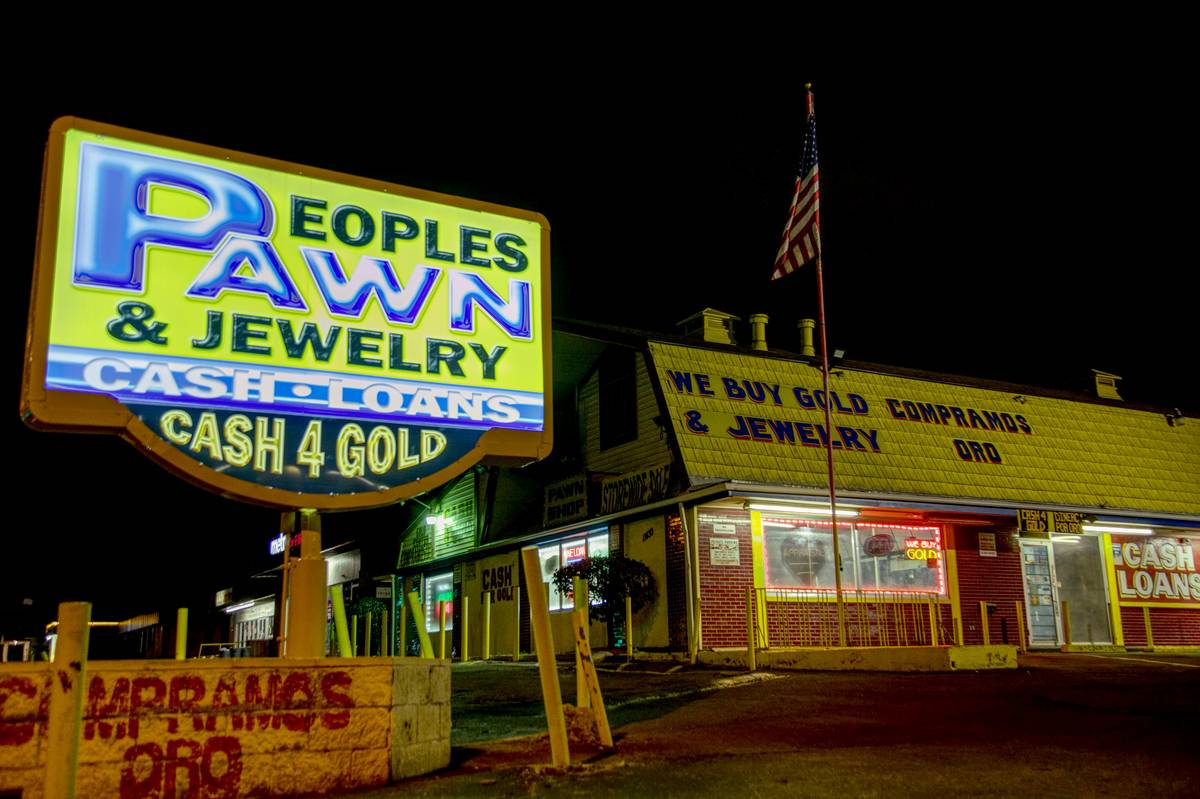
– Local pawn shops or gold buyers (check BBB ratings)
– Reputable mail-in services like Cash for Gold USA (NAID-certified)
– Online refiners like APMEX (for larger lots)
Step 6: Choose & Ship/Sell
Optimist You: *“Follow these tips and you’ll bank extra cash by Friday!”*
Grumpy You: *“Ugh, fine—but only if I don’t have to talk to a ‘precious metals consultant’ named Chad.”*
5 Best Practices Most Beginners Ignore (But Shouldn’t)
- Never accept “we pay top dollar” claims at face value. Top dollar = 90–95% of spot? Great. Anything below 70%? Walk away.
- Ask for the assay report. Reputable refiners test your gold and send a breakdown of purity and weight—not just a lump sum.
- Avoid same-day cash offers unless verified. Some kiosks use “acid tests” that eat into your metal, reducing weight.
- Clean gently—but don’t polish. Soap and water are fine; abrasive polishing can remove micrograms of gold.
- Track gold prices via Kitco or LBMA. Don’t rely on random websites—these are industry standards.
Terrible Tip Disclaimer: “Just take whatever offer you get—it’s better than nothing!” Nope. Holding out for 24 hours could net you 2x more. Patience > desperation.
Real Case Study: How My Cousin Turned $127 Worth of “Junk” into $420
Last year, my cousin Maria sorted through her late father’s dresser and found:
– A broken 14K chain (8.2g)
– Two mismatched 10K earrings (1.4g)
– An old dental crown (marked “AU,” ~3g, assumed 16K)
She almost sold it all to a mall booth offering $127 cash. Instead, I walked her through the steps above. She got quotes from three buyers, chose a NAID-certified mail-in service, and received $420 via check in 5 days. The kicker? The dental gold alone fetched $180—buyers specialize in that niche!
FAQs About Selling Scrap Gold for Beginners
Is selling scrap gold worth it for small amounts?
Yes—if you have at least 2–3 grams of 10K+. Below that, shipping/testing fees may eat profits. Bundle with friends/family if needed.
Do I pay taxes on scrap gold sales?
In the U.S., yes—gold is a “collectible” taxed at up to 28% capital gains if held over a year. Report sales over $600 (Form 1099-B). Consult a CPA.
Can I sell gold-plated items?
Rarely. Plating is microns thick—refiners usually reject it. Exception: high-volume industrial lots (e.g., connector pins).
How fast do I get paid?
Local: same-day cash (but verify legitimacy). Mail-in: 3–10 business days after receipt + testing.
What’s the worst time to sell?
Right after major geopolitical shocks (prices spike then drop). Wait 3–5 days for stabilization.
Conclusion
Selling scrap gold as a beginner isn’t about luck—it’s about literacy. Know your karats, weigh accurately, shop your gold like you’re buying a car, and never let FOMO rush you. That drawer full of “junk”? It’s a mini gold mine waiting for smart, informed handling. Now go turn those forgotten trinkets into tangible wins.
Like a Tamagotchi, your scrap gold needs daily care—except instead of feeding it, you feed your savings account.
Haiku:
Broken chain gleams bright—
Karat mark hides in clasp's curve.
Cash blooms overnight.