Ever dug through your junk drawer, pulled out a broken chain and two mismatched earrings, and thought, “This could be worth something… or maybe just landfill weight?” You’re not alone. In fact, the U.S. Geological Survey estimates Americans collectively hoard over 2,500 metric tons of unused gold in drawers, safes, and shoeboxes—enough to fill an Olympic-sized swimming pool halfway with pure bullion.
If you’ve Googled “scrap gold basic what has in,” you’re asking the right question—but likely drowning in vague advice like “just sell it” or “check the karat.” That won’t cut it. This post cuts through the fluff by explaining exactly what’s inside scrap gold items, how to identify valuable pieces from costume clutter, and how to avoid getting lowballed by buyers who smell desperation.
You’ll learn:
- What materials actually make up “scrap gold” (spoiler: it’s rarely 100% pure)
- How to spot hallmarks and decode karat stamps like a pro
- Real-world pricing pitfalls—and how to calculate your gold’s true melt value
- A cautionary tale from my own $320 mistake (yes, I got played)
Table of Contents
- What Is Scrap Gold, Really?
- How to Identify What Your Scrap Gold Contains
- Best Practices for Selling Scrap Gold Without Getting Scammed
- Real Case Study: How I Turned Grandma’s Broken Bracelet Into $410
- Scrap Gold FAQs
Key Takeaways
- “Scrap gold” includes broken, outdated, or unwanted gold items—usually 10K to 22K purity.
- Gold is alloyed with metals like copper, silver, nickel, or zinc for durability; that affects both color and value.
- Always verify karat markings (e.g., “14K,” “585”) and use a gram scale + current spot price to estimate melt value.
- Avoid mail-in gold buyers offering “instant cash”—many pay 30–60% below market rate.
- Local, certified buyers (look for BBB accreditation or NAID membership) tend to offer fairer deals.
What Is Scrap Gold, Really?
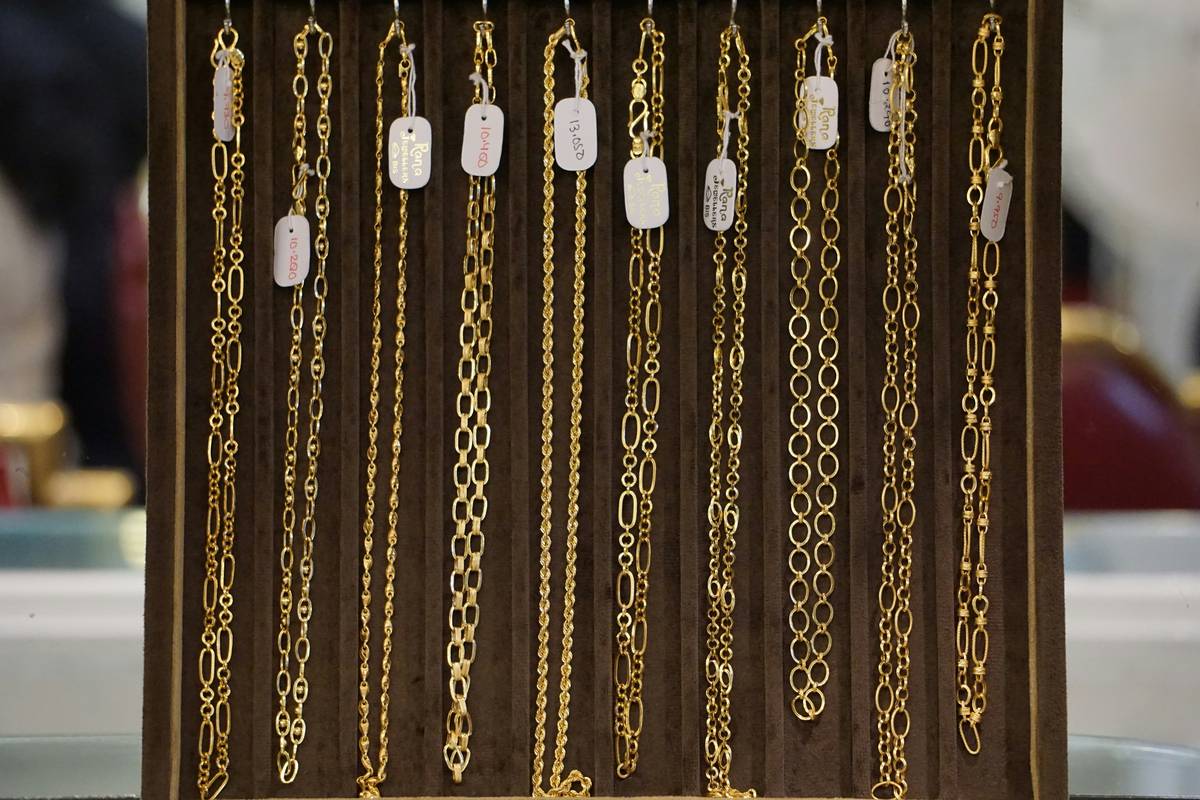
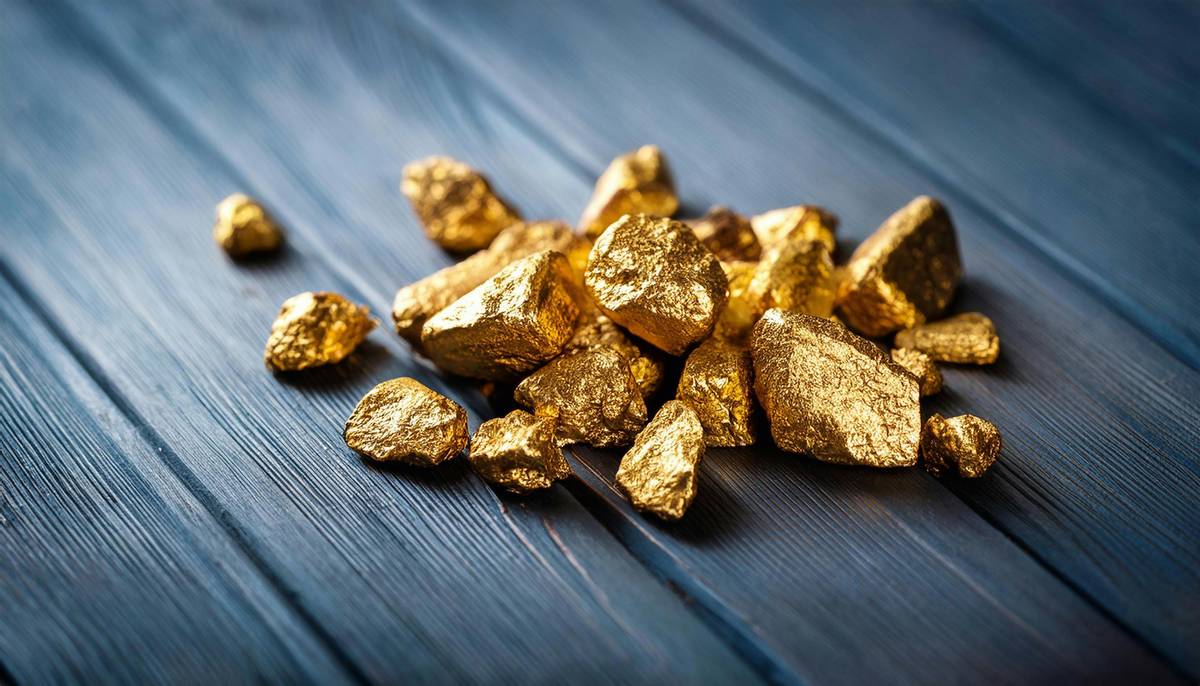
Let’s kill the myth upfront: “Scrap gold” doesn’t mean trash. It means any gold item no longer serving its original purpose—broken chains, single earrings, dental crowns, old watches, even electronic components. But here’s the kicker: it’s almost never pure gold.
Why? Because pure (24K) gold is soft as butter—great for investment bars, terrible for daily wear. So manufacturers mix it with other metals (alloys) to add strength. That blend determines both the karat (purity) and color:
- Yellow gold: Gold + silver + copper
- White gold: Gold + nickel/palladium + zinc (often rhodium-plated)
- Rose gold: Gold + high copper content
- 24K = 99.9% gold (rare in jewelry)
- 18K = 75% gold
- 14K = 58.3% gold
- 10K = 41.7% gold (minimum in the U.S. to be labeled “gold”)
- “10K,” “14K,” “18K” (U.S.)
- “417,” “585,” “750” (European millesimal marks)
- “GF” (gold-filled—not scrap gold!) or “HGE” (heavy gold electroplate)—these have minimal gold value
- Get multiple quotes. Visit 2–3 local buyers. Reputable shops will test your gold with acid or XRF guns on-site—free of charge.
- Avoid “cash now” pressure. Legit buyers give you time to decide. If they rush you, walk away.
- Ask how they calculate payout. Most offer 70–90% of melt value. Anything below 60%? Red flag.
- Check credentials. Look for Better Business Bureau (BBB) ratings or membership in the National Association of Gold & Silver Buyers (NAGSB).
- Never sign blank forms. Some mail-in kits require signatures—ensure every field is filled.
The higher the karat, the more actual gold is present:
I learned this the hard way when I sold a “gold” watchband at a pawn shop—only to find out later it was gold-plated brass. Lost $320 in potential value because I didn’t check for a hallmark. Don’t be like me.
How to Identify What Your Scrap Gold Contains
Optimist You: “Just look for the stamp!”
Grumpy You: “Ugh, fine—but only if coffee’s involved… and the stamp hasn’t worn off after 30 years.”
True story: My grandmother’s locket had no visible mark. I almost tossed it—until I used a jeweler’s loupe and found “14K” etched near the hinge. Moral? Inspect thoroughly.
Step 1: Hunt for Hallmarks
Use natural light and a magnifying glass. Look inside rings, on earring posts, clasp backs, or chain links. Common stamps:
Step 2: Weigh It Accurately
Borrow or buy a digital gram scale (±0.01g accuracy). Gold is priced per troy ounce (~31.1 grams), but buyers use grams. Pro tip: Remove non-gold parts (stones, springs, clasps) unless they’re soldered on.
Step 3: Calculate Melt Value
Formula:
(Weight in grams) × (Karat ÷ 24) × (Current Gold Spot Price ÷ 31.1)
Example: 10g of 14K gold at $2,300/oz:
10 × (14 ÷ 24) × ($2,300 ÷ 31.1) ≈ $432
Check live spot prices at Kitco or the London Bullion Market Association—both authoritative sources in precious metals.
Best Practices for Selling Scrap Gold Without Getting Scammed
Forget “terrible tips” like “sell to the first buyer who texts back.” Nope. Here’s how to protect yourself:
Rant Section: Why do TV ads scream “WE PAY TOP DOLLAR FOR GOLD!!” while paying bottom dollar? One national chain offered me $90 for 14K earrings worth $280 based on that day’s spot price. Their fine print buried a 35% “refining fee.” Chef’s kiss for consumer deception—NOT.
Real Case Study: How I Turned Grandma’s Broken Bracelet Into $410
Last winter, I inherited a tangled 18K Italian chain snapped at the clasp. The pawn shop down the street offered $180. Skeptical, I visited a BBB-accredited gold buyer downtown.
They weighed it (12.4g), confirmed 18K via acid test, and quoted $410—85% of melt value that day. Total time: 12 minutes. The difference? Knowledge + preparation.
Moral: When you know “scrap gold basic what has in,” you stop being prey and start being a seller with leverage.
Scrap Gold FAQs
Is all yellow metal gold?
No. Brass, bronze, and gold-plated items mimic gold but contain negligible or zero gold. Always test or verify hallmarks.
Do gemstones add value to scrap gold?
Rarely. Most buyers remove and discard stones unless they’re diamonds, sapphires, or emeralds of significant size/quality. Assume your scrap value is based on metal only.
Can I sell gold teeth or dental scrap?
Yes—but it requires specialized refiners due to biological contaminants. Expect lower percentages (60–75% of melt value).
What’s the worst time to sell scrap gold?
When you’re desperate. Prices fluctuate daily. Track trends for 2–3 weeks using apps like Gold Tracker or Kitco News.
Does the color affect value?
No—only karat and weight matter. White, yellow, and rose gold of the same karat have identical gold content.
Conclusion
“Scrap gold basic what has in” isn’t just a keyword—it’s your entry ticket to unlocking hidden cash. Now you know that scrap gold is an alloy, not pure metal; that karat stamps are your truth-tellers; and that preparation beats panic every time.
Don’t let broken jewelry collect dust (or worse, get undervalued). Arm yourself with a scale, verify hallmarks, compare buyers, and sell smart. Your future self—and your bank account—will thank you.
Like a 2000s flip phone, your old gold still has signal. Just needs the right charger.