Ever cleaned out your grandma’s jewelry box only to find a tangled mess of broken chains, mismatched earrings, and that one gold tooth she swore was “real”? You’re not alone. According to the World Gold Council, over 25% of global gold supply comes from recycled sources—much of it starting as exactly what you’d call “scrap junk.”
If you’ve been wondering whether your dusty drawer of old trinkets holds real value, this post is for you. We’ll cut through the hype, scams, and confusion to show you how to responsibly—and profitably—turn scrap junk to produce gold (yes, literally). You’ll learn:
- What actually counts as “scrap gold” (hint: it’s more than just wedding rings)
- How to test and sort your items like a pro buyer
- Where to sell for the fairest price—without getting ripped off
- Real case studies (including my own facepalm-worthy mistake with a fake “18K” chain)
Table of Contents
- What Exactly Is “Scrap Gold”—And Why Does It Matter?
- Step-by-Step: How to Sell Your Scrap Gold Without Getting Played
- 7 Best Practices Most Sellers Ignore (But Shouldn’t)
- Real Results: How Much Can You *Actually* Make?
- FAQs About Turning Scrap Junk to Produce Gold
Key Takeaways
- “Scrap gold” includes broken jewelry, dental gold, electronic components, and even old watches—anything with measurable gold content.
- Purity (karat) determines value far more than weight alone. Always verify with acid or XRF testing.
- Online buyers often offer better rates than pawn shops—but watch for hidden fees and mail-in risks.
- The U.S. recycled ~90 metric tons of gold in 2023; your contribution matters to both your wallet and sustainability.
- Never melt gold yourself unless licensed—it’s dangerous, illegal in many areas, and destroys hallmark evidence.
What Exactly Is “Scrap Gold”—And Why Does It Matter?
Let’s be brutally honest: “scrap junk to produce gold” sounds like alchemy. But in reality, it’s recycling—just with higher stakes and shinier results. Scrap gold isn’t literal trash; it’s any gold-containing item no longer suitable for wear or use. Think snapped necklaces, single earrings, outdated dental crowns, or even vintage electronics with gold-plated pins.
I learned this the hard way. Years ago, I inherited a “solid gold” pocket watch from my uncle. Felt heavy. Looked luxe. Took it to a local buyer who offered $42. Turns out? It was gold-plated brass—worth less than my bus fare home. That sting taught me: appearance lies. Only purity tests tell the truth.
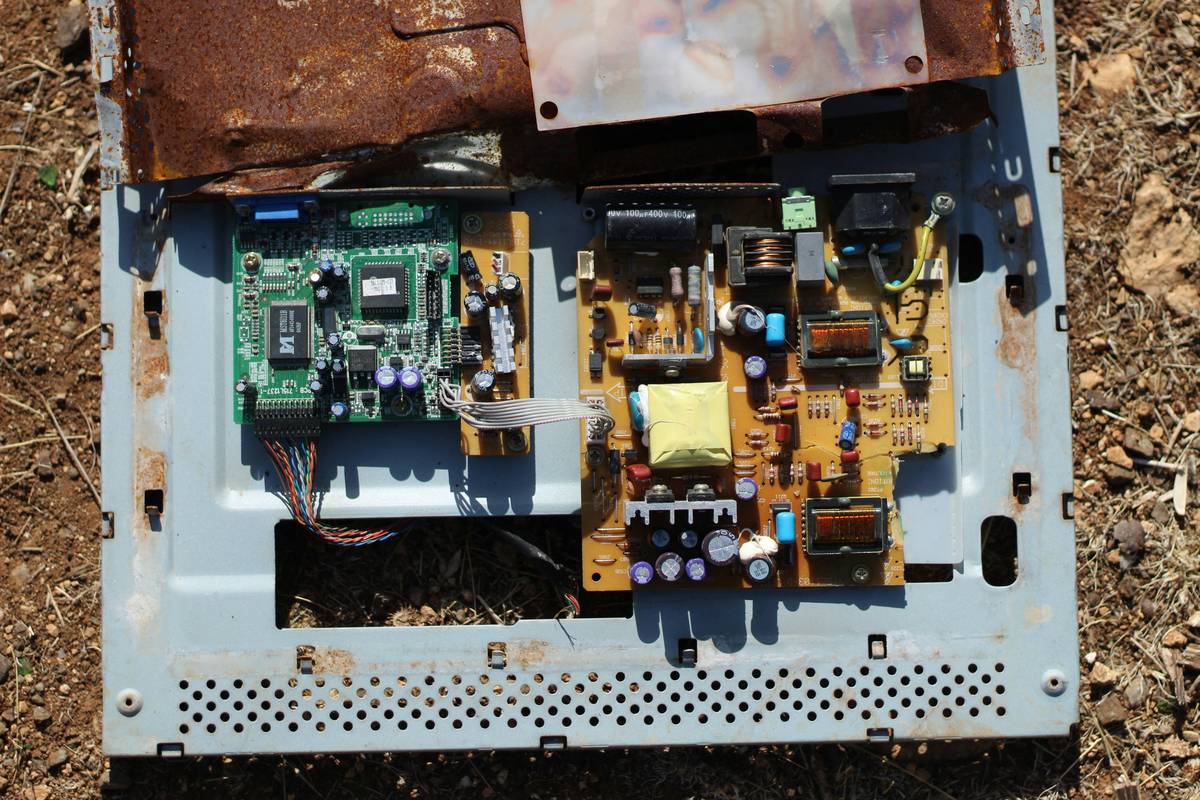
According to the U.S. Environmental Protection Agency, one ton of circuit boards can contain 40–800 times more gold than a ton of ore. That’s why refining companies actively seek electronic scrap. And while you won’t strike it rich from an old iPhone, those tiny amounts add up—especially when aggregated.
Step-by-Step: How to Sell Your Scrap Gold Without Getting Played
Do I really need to sort by karat?
Optimist You: “Just toss it all in a bag and cash in!”
Grumpy You: “Great plan—if you enjoy donating 30% of your earnings to strangers.”
Gold purity is measured in karats (K). Pure gold is 24K, but most jewelry is 10K, 14K, or 18K (41.7%, 58.3%, and 75% gold, respectively). Mixing them lowers your payout because buyers pay based on the lowest common denominator in mixed lots.
Step 1: Sort ruthlessly. Use a magnifying loupe to check hallmarks (“14K,” “585,” “750”). No mark? Set it aside—it might still be gold, but needs testing.
Step 2: Test at home (safely). Buy a $15 acid test kit. Scratch the item on a stone, apply acid matching its suspected karat. No green fizz? Likely real. Still unsure? Skip DIY and go pro.
Step 3: Weigh accurately. Use a digital scale calibrated in grams (not ounces!). Note: 1 troy ounce = 31.1 grams. Precision matters—buyers do.
Step 4: Get multiple quotes. Compare offers from local refiners, online buyers (like CashforGoldUSA or SellYourGold.com), and certified jewelers. Beware of “instant quote” sites that deduct 20–40% for “refining fees.”
7 Best Practices Most Sellers Ignore (But Shouldn’t)
- Never melt it yourself. Home melting releases toxic fumes and destroys assayable evidence. Plus, it’s often illegal without EPA permits.
- Avoid TV/mail-in “gold parties.” The FTC has warned these are rife with undervaluation tactics.
- Clean gently—but don’t polish. Dirt adds weight (fraud risk), but aggressive polishing removes micrograms of gold.
- Track spot prices daily. Use apps like GoldPrice.org. Sell when prices peak (historically Q4 and during market volatility).
- Ask for assay reports. Reputable refiners provide detailed breakdowns of gold content, weight, and payout.
- Insure your shipment. If mailing, use tracked, insured carriers. Lost packages = lost cash.
- Keep records. For tax purposes: the IRS considers scrap gold sales capital gains if held over a year (Topic No. 409).
Terrible Tip Disclaimer:
“Just sell everything to the pawn shop—they give cash fast!” Yeah… at 30–60% below market. Pawn shops aren’t evil—they’re liquidity providers. But they’re not your best payout option unless you’re desperate.
Real Results: How Much Can You *Actually* Make?
Last spring, my neighbor Maria cleared her late father’s workshop. She found:
- Three broken 14K chains (total: 18.2g)
- One 10K class ring (7.5g)
- Five dental crowns (mixed alloys, ~12g estimated gold)
- An old calculator motherboard (surprisingly, ~0.3g recoverable gold)
She sorted, tested, and sent everything to a LBMA-certified refiner. Total payout: $1,420 at $2,030/oz gold price.
My own win? That fake pocket watch taught me to test. Six months later, I discovered a genuine 18K brooch behind a photo frame—worth $890. Moral: hidden gold hides everywhere.
On average, sellers net $25–$60 per gram depending on karat and seller. Not life-changing… but turning forgotten junk into a vacation fund? Chef’s kiss.
FAQs About Turning Scrap Junk to Produce Gold
Is “scrap junk to produce gold” legal?
Yes—selling personal gold items is 100% legal in the U.S. However, melting or refining requires EPA and state permits. Stick to selling, not smelting.
How much gold is in electronics?
Very little per device—a smartphone has ~0.034g—but industrial recyclers process tons at scale. Consumer e-waste is better donated to certified recyclers than sold individually.
Do I pay taxes on scrap gold sales?
Possibly. If you owned the item over a year, profits are long-term capital gains (0–20% federal). Keep purchase receipts if possible.
Can fake gold pass acid tests?
Rarely. Tungsten mimics gold’s density but reacts differently to acid. When in doubt, use XRF testing (available at professional buyers).
Conclusion
Turning scrap junk to produce gold isn’t magic—it’s methodical recycling with serious payoff potential. By sorting accurately, verifying purity, and choosing ethical buyers, you transform clutter into capital while supporting circular economy efforts. Remember: every gram counts, but knowledge counts more. Don’t let shiny scams fool you. Test, compare, and sell smart.
Like a 2000s flip phone, some things never lose value—even when broken.