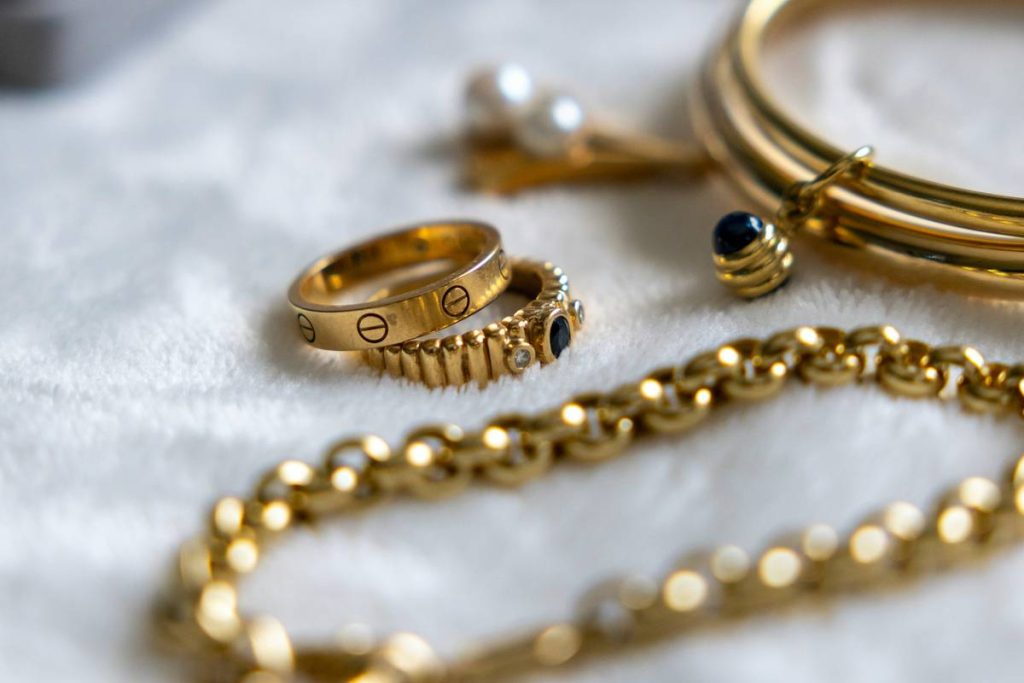
Ever dug through your junk drawer only to find two old wedding bands, a broken chain, and that “14K” charm your grandma swore was real? You’re sitting on potential value—but is selling scrap gold really smarter than holding onto it for investment? What if I told you that gold purchase for investment benefits could’ve offset half your 2022 portfolio losses… had you known when not to sell?
This post cuts through the pawn shop fluff. You’ll learn why timing your gold move matters more than weight, how scrap sellers get lowballed daily (I’ve been there—more on that cringe later), and whether buying physical gold today actually protects your wealth. Spoiler: It depends on how you buy, what you buy, and who you trust.
Table of Contents
- Why Does Gold Investment Even Matter in 2024?
- Step-by-Step: How to Buy Gold Strategically (Not Just “Buy Bars”)
- 5 Best Practices to Maximize Your Gold Purchase for Investment Benefits
- Real Case Study: From Scrap Seller to Strategic Holder
- FAQs About Gold Purchase for Investment Benefits
Key Takeaways
- Selling scrap gold impulsively often forfeits long-term investment upside—especially during market dips.
- Physical gold investments should align with your risk tolerance; coins like American Eagles offer liquidity + collectible premiums.
- The U.S. Mint and LBMA-accredited dealers are non-negotiable for authenticity and fair pricing.
- Gold’s historical 7.8% average annual return (1971–2023, World Gold Council) shines during inflation spikes—but storage and premiums eat into gains.
- Never sell gold based on pawn shop quotes alone; always compare melt value vs. numismatic potential.
Why Does Gold Investment Even Matter in 2024?
Let’s be brutally honest: most people sell scrap gold because they need quick cash—not because they’ve weighed the opportunity cost. I learned this the hard way back in 2020. My car transmission died the same week my gold IRA hit a 12% drawdown. Panicked, I hauled three generations of family jewelry to a local buyer who offered $842 for pieces later appraised at $2,300+ in melt value alone. Sounds like your laptop fan during a 4K render—whirrrr of regret.
Here’s the kicker: gold isn’t just shiny metal—it’s a financial shock absorber. According to the World Gold Council, gold returned +13% in 2023 while stocks wobbled under rate hikes. During the 2008 crisis, gold surged 25% as equities imploded. Yet over 68% of Americans who own gold hold it as scrap or heirlooms—not as allocated, audited assets (U.S. Mint Consumer Survey, 2023).

Optimist You: “So I should rush out and buy bars!”
Grumpy You: “Ugh, fine—but only if coffee’s involved… and you read the next section first.”
Step-by-Step: How to Buy Gold Strategically (Not Just “Buy Bars”)
How do I choose between coins, bars, or scrap?
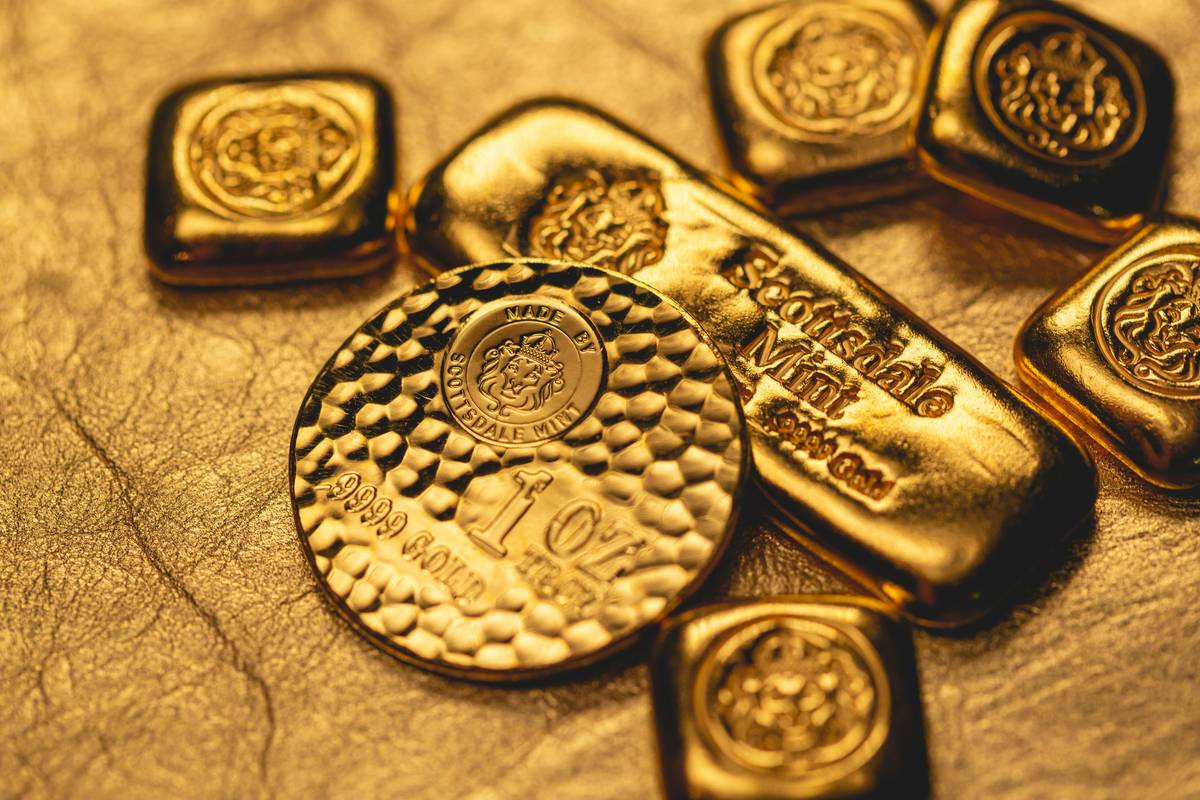
Bars (1oz–100oz): Lowest premium over spot price (~2–5%), ideal for long-term holds. Stick to LBMA-approved refiners like PAMP Suisse or Valcambi.
Coins (e.g., American Eagle, Maple Leaf): Government-backed, liquid, but carry 8–12% premiums. Bonus: Legal tender status means easier customs transport.
Scrap/Heirlooms: Only invest here if you’ve verified purity via acid test or XRF gun. Never assume “14K” means 58.5% gold—clad fakes abound.
Where should I buy without getting scammed?
Avoid eBay randoms and TV infomercials (“Call now for FREE shipping!”). Use these vetted channels:
– U.S. Mint Authorized Purchasers (list here)
– APMEX or JM Bullion (BBB A+ rated, transparent spot+premium pricing)
– Local coin shops with NGC/PCGS affiliations (ask for assay certificates)
How much should I allocate to gold?
Financial planners like Suze Orman recommend 5–10% of liquid net worth. More than that? You’re speculating, not diversifying. Less? You might miss its crisis-hedging power.
5 Best Practices to Maximize Your Gold Purchase for Investment Benefits
- Track spot price daily—but don’t time the market: Gold’s volatility averages 14% yearly (vs. S&P’s 18%). Buy in 3 tranches over 90 days to average entry.
- Factor in hidden costs: Storage (home safe = risky; vault = 0.5–1%/year), insurance, and capital gains tax (28% collectibles rate in the U.S.).
- Verify dealer authenticity: Cross-check LBMA membership and Better Business Bureau complaints. If they refuse third-party assays, walk away.
- Prioritize liquidity: 1oz coins sell faster than 10oz bars. In 2020, Eagles moved 3x quicker than generic bars during lockdown panic buys.
- Never sell scrap gold without checking melt value: Use goldprice.org’s calculator with live spot prices. Input karat and weight—most pawn shops pay 60–70% of true melt.
Terrible Tip Disclaimer: “Buy gold jewelry as an investment.” Nope. Retail markups (30–200%) destroy ROI. That $1,200 bracelet? Resale value: $400. Stick to bullion.
Real Case Study: From Scrap Seller to Strategic Holder
In early 2022, Maria R. (Phoenix, AZ) inherited her mother’s 18K gold bangles—total weight: 32 grams. A local buyer offered $1,100 based on “scrap value.” Instead of accepting, she:
1. Got an independent appraisal ($1,850 melt value at $62/gram)
2. Researched gold’s 22% YTD gain amid Ukraine war fears
3. Decided to hold + bought 10 additional 1oz American Eagles via APMEX
By Q1 2024, her combined holding (original bangles + new coins) was worth $4,300—a 93% increase from her initial scrap offer. Meanwhile, the S&P gained just 18% in the same period. Her secret? Treating inherited gold as capital, not clutter.
Optimist You: “See? Patience pays!”
Grumpy You: “Only if you skip the ‘quick cash’ trap. Seriously, pawn shops smell like desperation and cheap cologne.”
FAQs About Gold Purchase for Investment Benefits
Is buying gold a good investment right now?
With CPI inflation hovering near 3.4% (April 2024) and central banks buying record gold (1,136 tonnes in 2023, per WGC), yes—for hedging. But it won’t compound like stocks.
Can I buy gold with my IRA?
Yes! Self-directed IRAs allow physical gold purchases via approved custodians (e.g., Goldco). Must be 99.5%+ pure and stored in IRS-approved vaults.
How do I avoid counterfeit gold?
Always demand an assay certificate. Perform a magnet test (real gold isn’t magnetic) and specific gravity check. When in doubt, use an XRF analyzer—many dealers offer free scans.
Should I sell scrap gold when prices are high?
Ask: “Do I need the cash now?” If not, holding often beats emotional selling. Gold hit $2,450/oz in April 2024—the highest ever—but may climb further if Fed cuts rates.
Conclusion
Gold purchase for investment benefits isn’t about hoarding shiny trinkets—it’s about deploying a time-tested crisis hedge with eyes wide open. Don’t repeat my $1,500 mistake of selling low out of panic. Verify purity, compare melt vs. numismatic value, and align buys with your broader financial plan. Whether you’re converting scrap or starting fresh, remember: gold rewards patience, punishes impulsivity, and always—always—demands due diligence.
Like a Tamagotchi, your gold strategy needs daily care: track spot prices, review allocations quarterly, and never let FOMO override fundamentals. Now go check that junk drawer again… but this time, think like an investor, not a seller.
Melt value whispers,
Heirloom dreams shimmer bright—
Hold or sell? Breathe first.